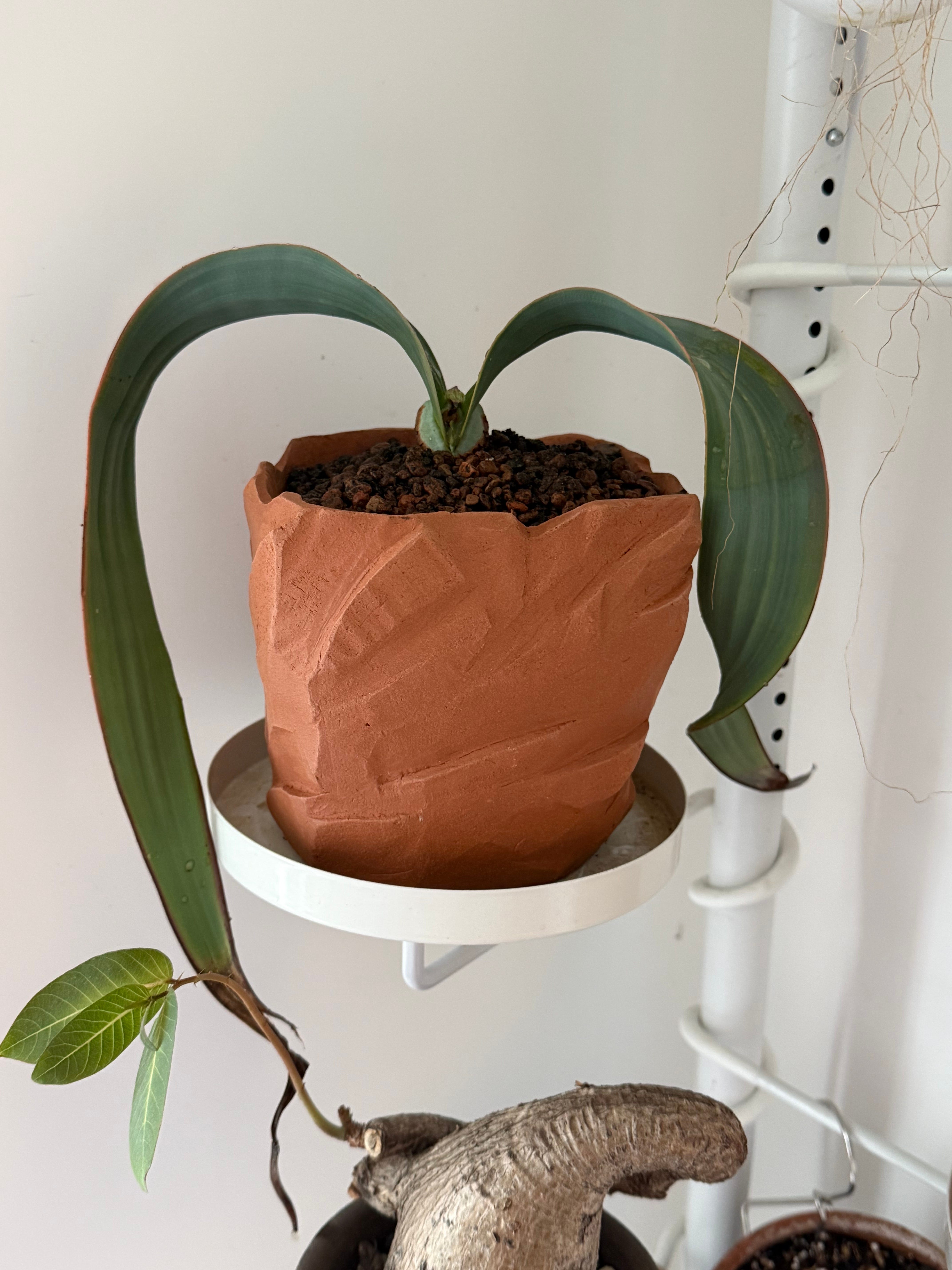
Haggling on Pride Rock
I struggle with plant sellers.
I don’t know their margins. I only know what happens in my head.
When I see a plant listed for £800, my first instinct is resistance. It’s a plant. It grows. It multiplies. Why is this priced like a Rolex?
Then I scroll.
“Sold.”
“Worth every penny.”
“Thank you for the opportunity.”
“Congratulations. That leaf is so beautiful.”
No negotiation. No testing of the number. Just acceptance.
That unsettles me.
I grew up where haggling is normal. In many Asian markets, the listed price is not final. It is the start of a conversation. You test value. You negotiate. It is not rude. It is engagement.
In many plant circles, it is the opposite. Fixed price dominates. Negotiation feels inappropriate. The seller sets the number. The buyer accepts or leaves.
But this is not buying a Rolex. It’s a leaf.
A diamond is compressed carbon.
A rare Anthurium is chlorophyll and water.
Neither is expensive because of its material composition.
They become expensive when scarcity and story intersect.
Diamonds are valuable because supply was controlled and the narrative was powerful.
Rare plants follow a similar pattern. Limited distribution. Named clones. Provenance. Early access. Recognition inside a niche.
The leaf is biology. The price is narrative.
Part of my discomfort comes from how I define value.
I trained in a profession where income tracks visible effort. Time. Skill. Responsibility. If something is expensive, I expect sacrifice behind it.
A plant sitting in a greenhouse does not look like sacrifice.
But markets do not price effort. They price desire.
If ten people want one clone, the price rises. Not because the seller is evil. Because scarcity meets longing.
No one forces anyone to buy it.
There is culture layered on top.
In some import groups, sellers are treated like royalty. Public praise. No criticism. Negotiation discouraged.
Why? Access.
When supply is scarce, proximity to the seller becomes social capital. Criticise the gatekeeper and you risk exclusion. So people protect the hierarchy.
It looks like worship. It is closer to fear of missing out.
Haggling becomes taboo because fixed pricing preserves exclusivity. Negotiation feels unsophisticated. We imitate luxury behaviour.
Then I tried selling.
I listed a plant for the same price I paid. £100. No markup.
Someone asked if I would take £80.
My first reaction was irritation. I paid £100. Why should I lose money?
But beneath that irritation was exposure.
Now I was the one declaring value. And someone questioned it.
As a buyer, negotiation feels reasonable. As a seller, it feels personal.
That contradiction forced me to look inward.
Am I annoyed because sellers overcharge?
Or because they are comfortable standing on Pride Rock and declaring value in a way I hesitate to?
Setting a price requires confidence. Haggling requires courage.
Maybe it is simply two lions on the savannah, deciding what the antelope is worth.