
Notes from a Rejected Organ
Transplant immunology meets plant groups and human behaviour
This is a true story. A few days back I had the opportunity to experience a real life organ rejection. Only this not, I was not the implantor but the implant.
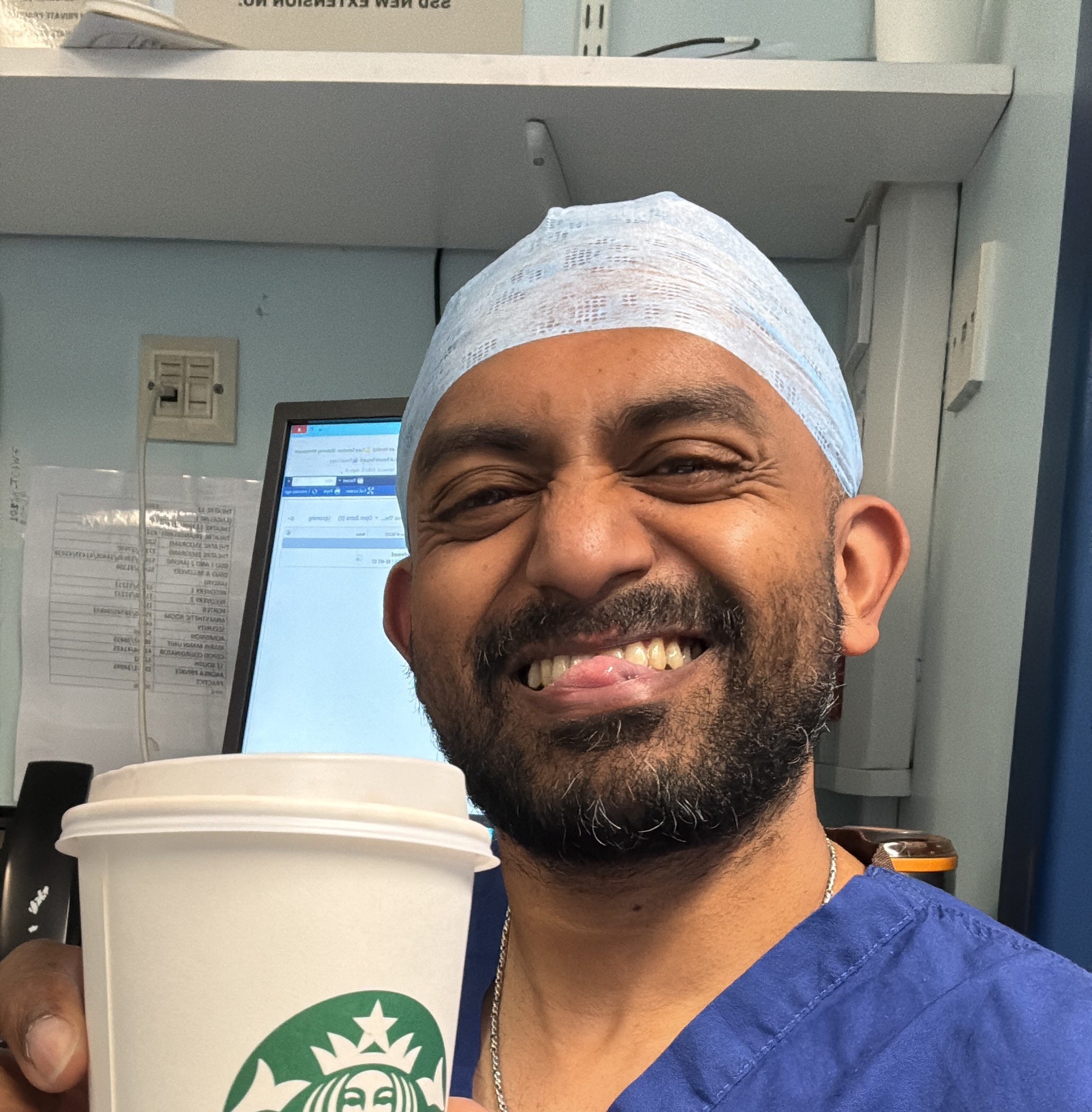
This wasn’t a planned experiment, but it turned into an interesting one.
A few weeks ago, a friend added me to a new plant group. An already established one, mostly terrarium and begonia people. Not my usual anthurium crowd.
Different group. Different energy. Different conversations.
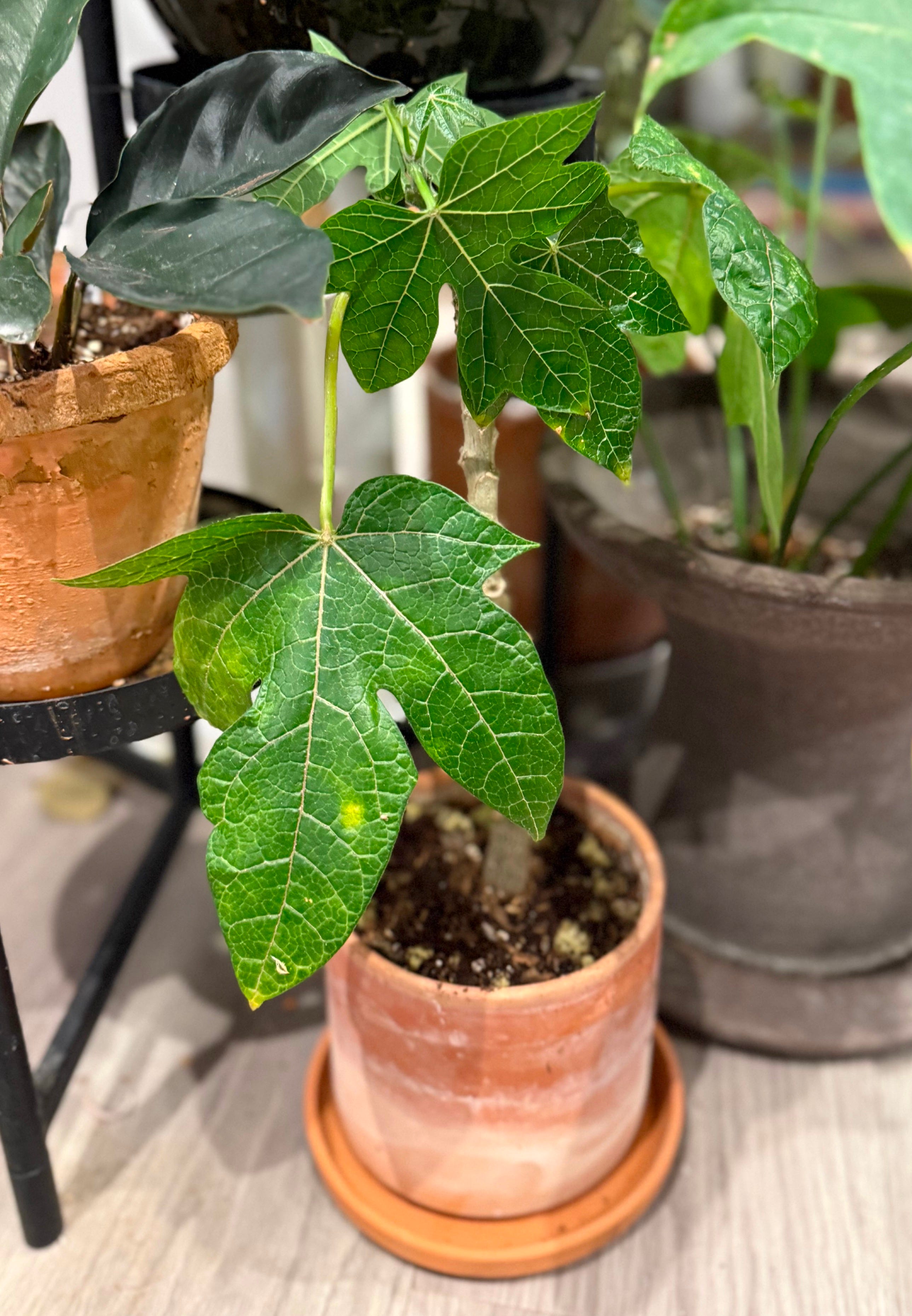
It got me thinking. You know those memes about different specialties in medicine? Orthopods, anaesthetists, psychiatrists, surgeons. All technically doctors, but still very different creatures.
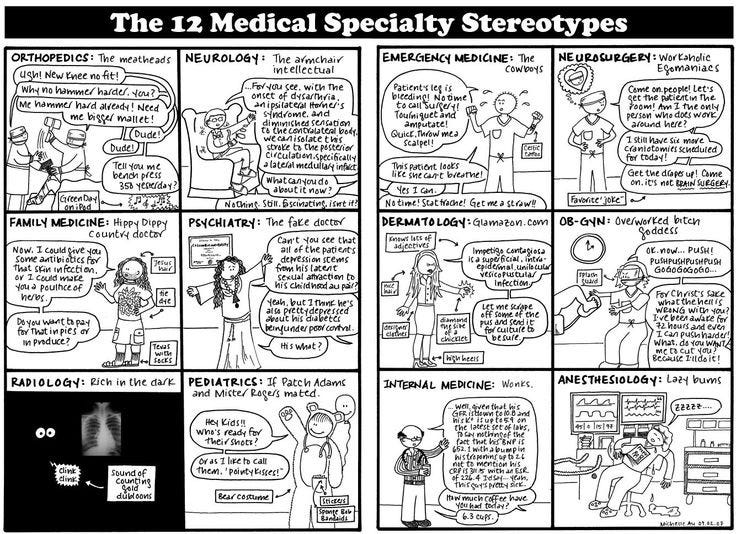
I’ve started noticing the same thing with plant people.
Different genus collectors seem to have different personalities. Anthurium people don’t feel like begonia people. Succulent people don’t feel like orchid people. Still something I want to study properly, but I haven’t worked out how to do that without everyone thinking I’m running a small Victorian zoo.
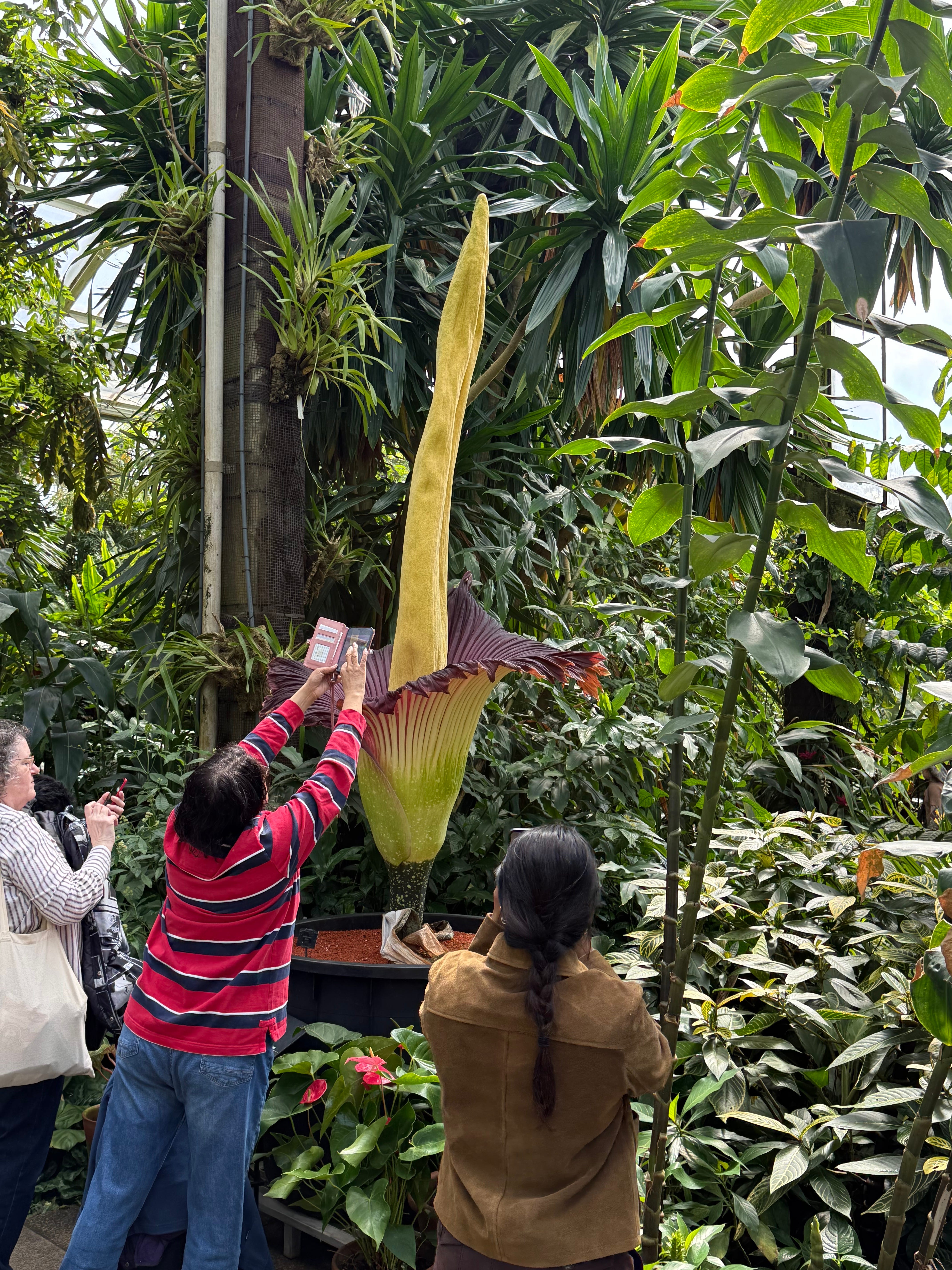
Anyway. Organ rejection.
I was the new kidney plugged into an already functioning body system. I had different antigens. The group had pre-formed antibodies. They picked up the signal quickly.
Not one of us.
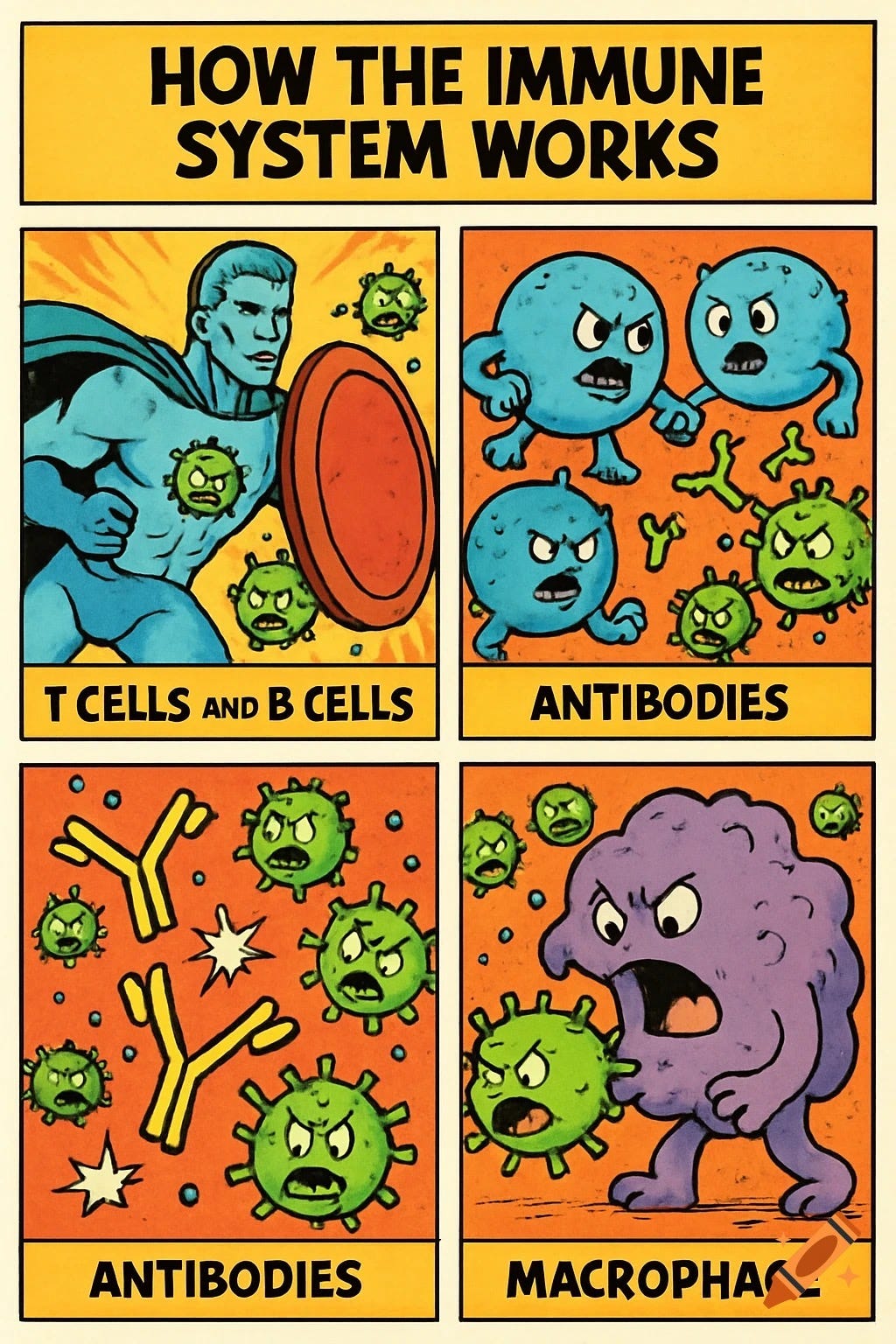
The reaction was fast. A little trigger. Acute inflammation. A few immune cells rushing in. Then the macrophage stepped in and politely said, “for the greater good of the body, maybe leave the general chat.”
Fair.And that’s organ rejection in a nutshell.
The organ doesn’t have to be bad. It doesn’t even have to be harmful. It just has to feel different enough for the host to react. And sometimes, that is enough.
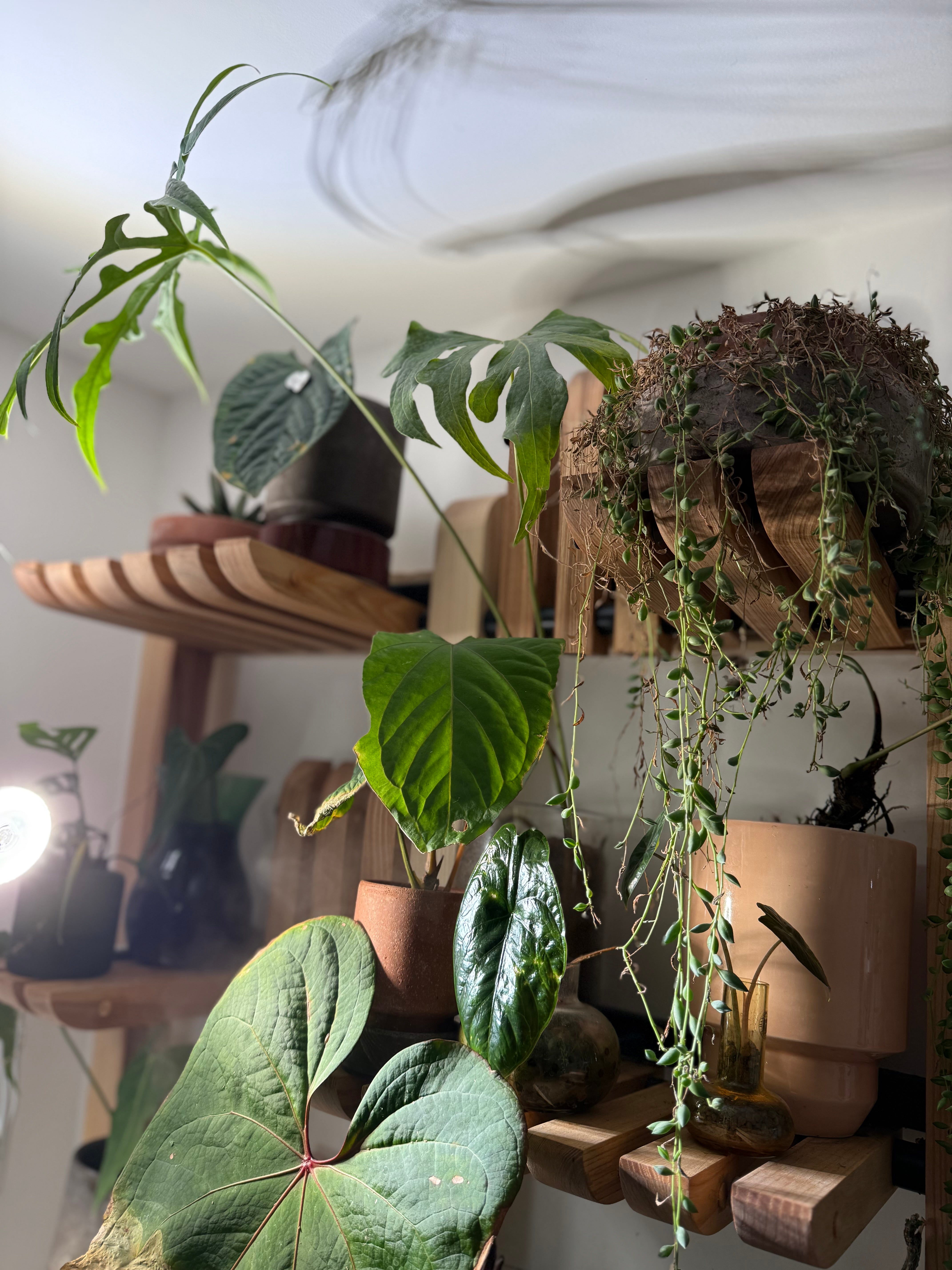
There’s also something else going on here. The idea of a third place. Not home. Not work. Somewhere in between. A place where you can just chill. Let your guard down. Talk nonsense. Share things you wouldn’t say elsewhere. Plants, life, random nonsense. Life is already hard enough. You don’t want to be “on” all the time.
So you find your third place. Your plant chat group. And you protect it. Because the moment that space stops feeling safe, it stops working.
How do you feel when that gets threatened? Even slightly.
Not by something obviously dangerous. But by something that feels off. Someone who might be observing instead of participating. Someone who might take things out of context. Someone who changes the tone of the room.
You get scared. You tighten up. You speak less freely. You watch what you say. And just like that, the space is no longer what it used to be.
So the system reacts. Not because it hates the new person. But because it is trying to preserve what the space was meant to be.
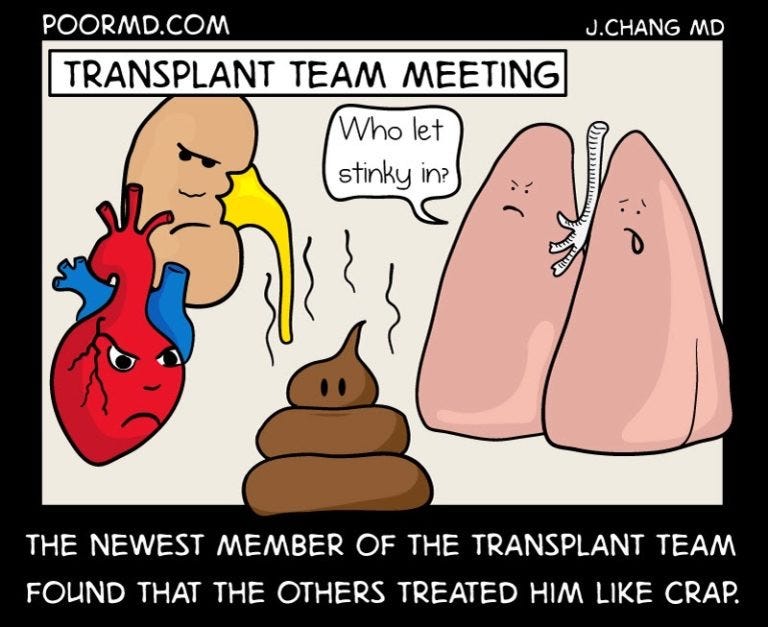
When we consent patients for a transplant, rejection is one of the big things we explain. The new organ may work beautifully. The operation may go well. The blood flow may be perfect. The kidney may sit there politely making urine like the Brita it’s meant to be. But the body can still turn around and say, “not mine. That risk never fully disappears.
So we give immunosuppressants. And we are very clear about them. Take them religiously. Take them every day. Do not freestyle. Do not get creative. This is not your houseplant watering schedule. Miss them, even briefly, and you’re screwed.
Tolerance is not passive.
It has to be maintained.
Belonging works the same way.
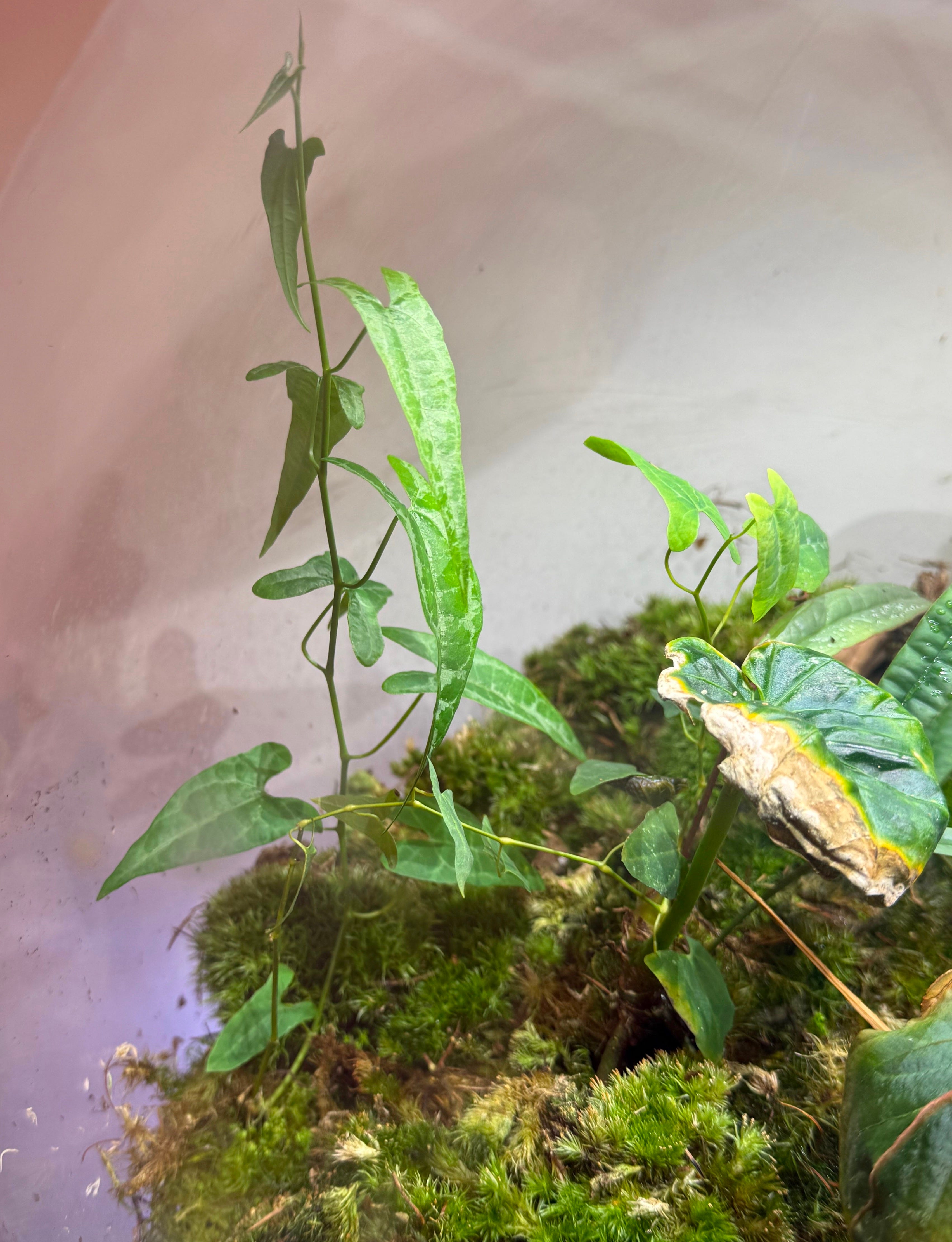
You don’t enter a group once and become accepted forever. You maintain tolerance through behaviour. You learn the rules. You take the social immunosuppressants. Patience. Curiosity. A pause before reacting. Miss a dose, and the system remembers you are foreign.
It reminded me of a scene from Home.
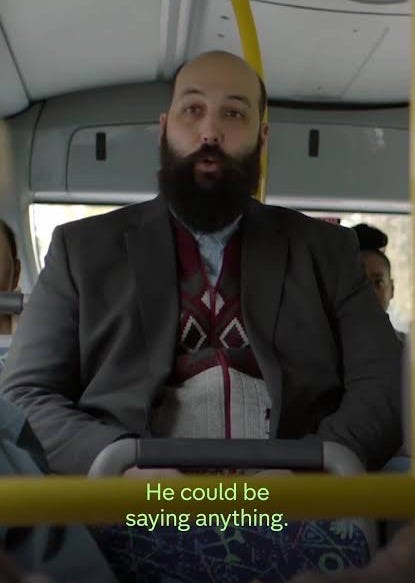
A Middle Eastern man is on a bus, speaking Arabic on the phone. A woman nearby gets uncomfortable. She doesn’t understand the language, and she reads it as a threat. So the protagonist, a Syrian refugee, translates everything out loud. Word for word. Nothing threatening. Just a husband telling his wife he can’t wait to get home and bury his head in her bosom.
Now she’s uncomfortable for a different reason. The threat was never real.
It was unfamiliarity.
Of course, humans are never that tidy.
I say anthurium people feel different from begonia people, but then I look around my own collection and there are begonias, succulents, orchids, and cacti sitting there too.
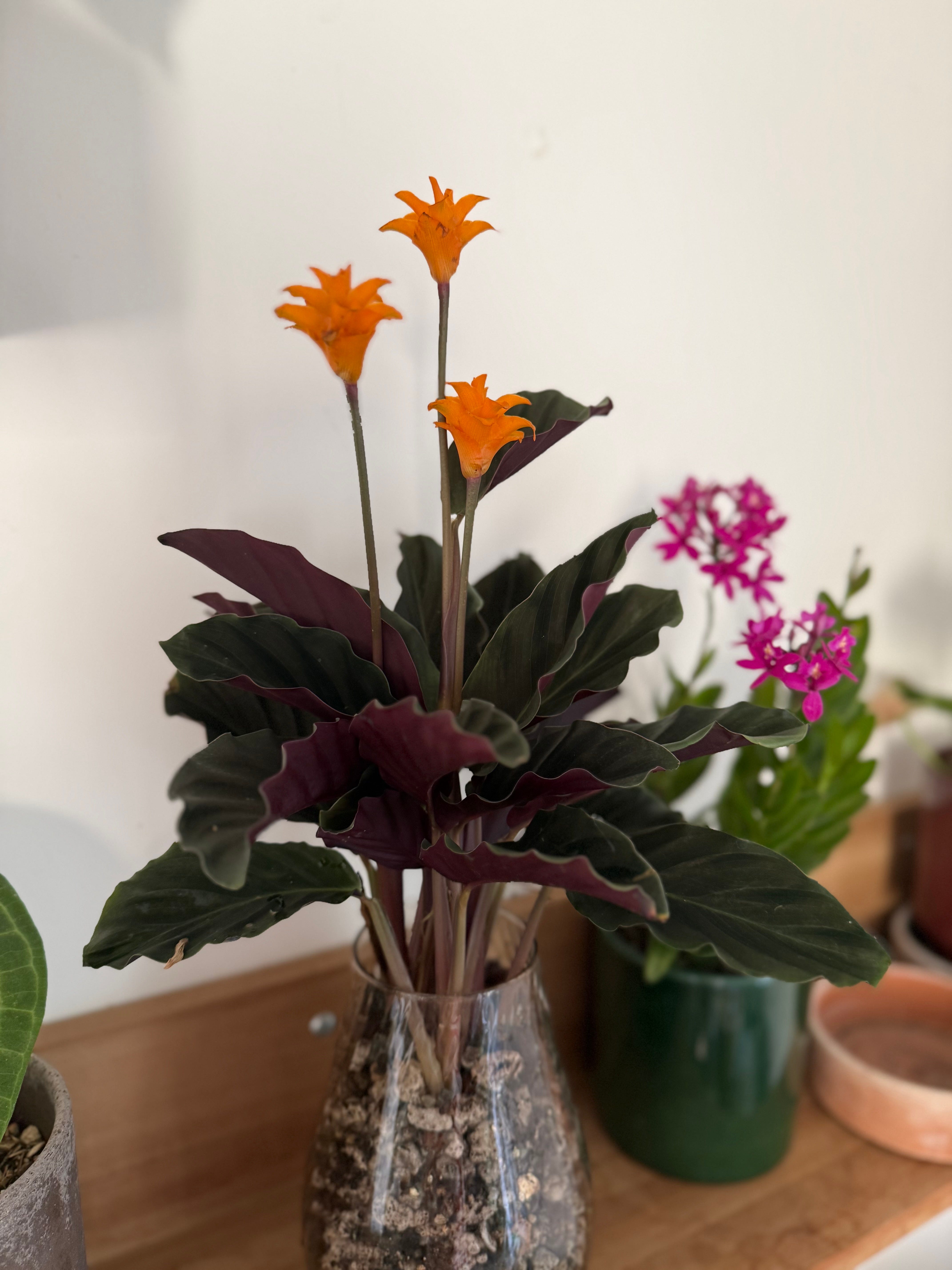
So clearly, we’re not as rigid as we think we are. Annoyingly, I do like a clean theory. I’m also not calling myself a saint here. I am still a curious little monkey, and I will probably remain one. But I do want people to understand the difference between spying and observing.
Science is not about deciding you are right and collecting evidence to support it. The basis of scientific thinking is trying to prove yourself wrong until you can’t. You test the idea. You stress it. You look for the bit that breaks.
That is what I do most of the time. I notice something, form a theory, then try to destroy my own biases.
Very demure. Very mindful. Completely normal behavior.
And that’s probably the uncomfortable conclusion.
We are very quick to judge. Not because we’re bad people. Because we’re efficient.
Heuristics. Shortcuts.
Pattern recognition doing what it’s designed to do.
Most of the time, it keeps us safe.
Sometimes, it makes us wrong.
That’s how bigger things happen too.
If we can misunderstand each other while speaking the same language, what hope do we have when there are different languages, looks, likes, and lived experiences in the mix?
No one wakes up trying to be the villain.
Most of us are just running fast, imperfect code, trying to protect what feels like ours.
So how can we prevent rejection?
Not transplanting at all is one way but you’ll end up dead.
But progress is also daunting.
If only the body could just accept the new kidney and move on. No antibodies. No steroids. No tacrolimus levels. No clinic letters written at 18:47.
Half my job will be cut short. Excellent news.
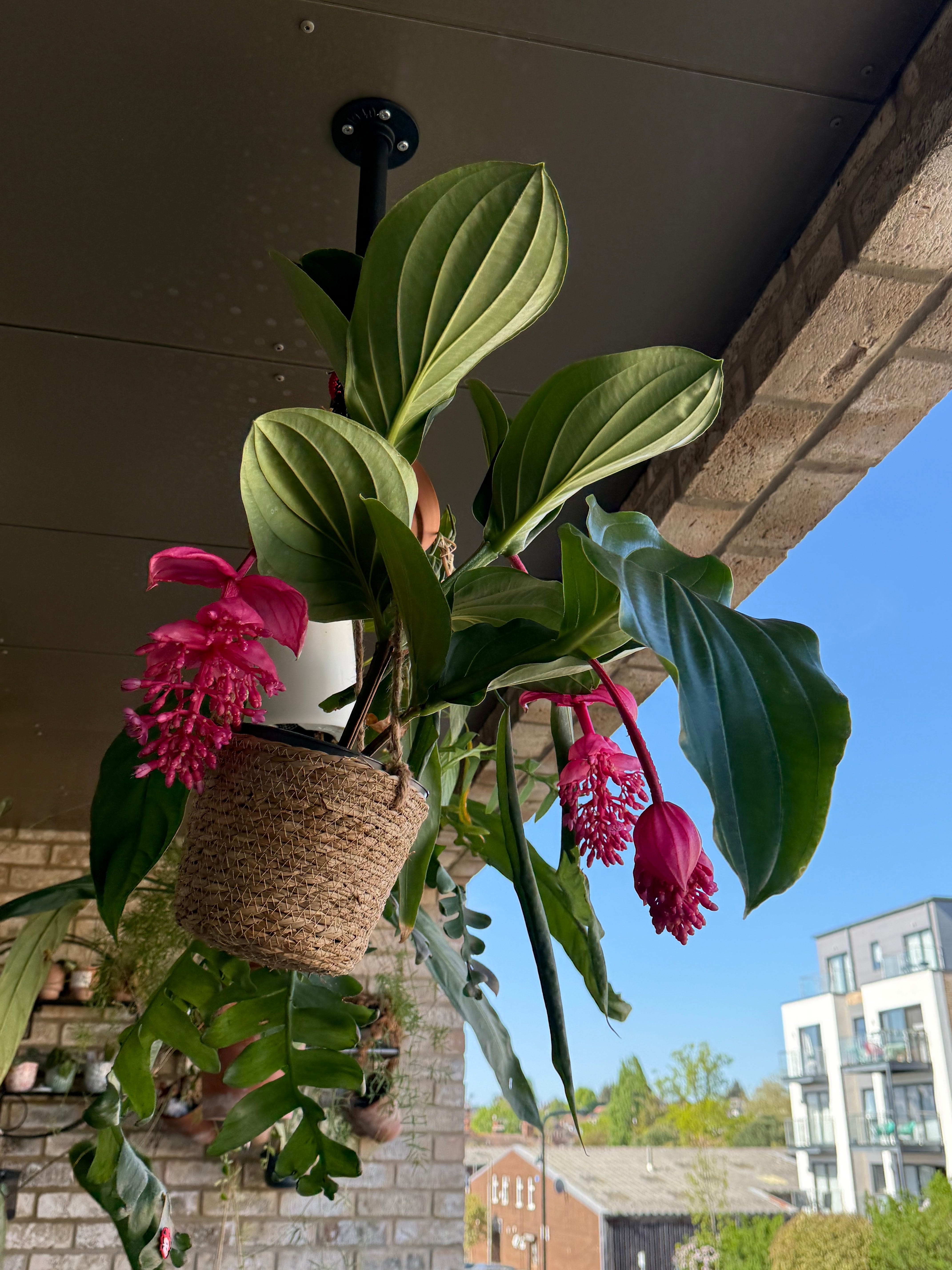
Sadly, the body has trust issues. And to be fair, so do we.
You can’t accept everything. You can’t reject everything either.
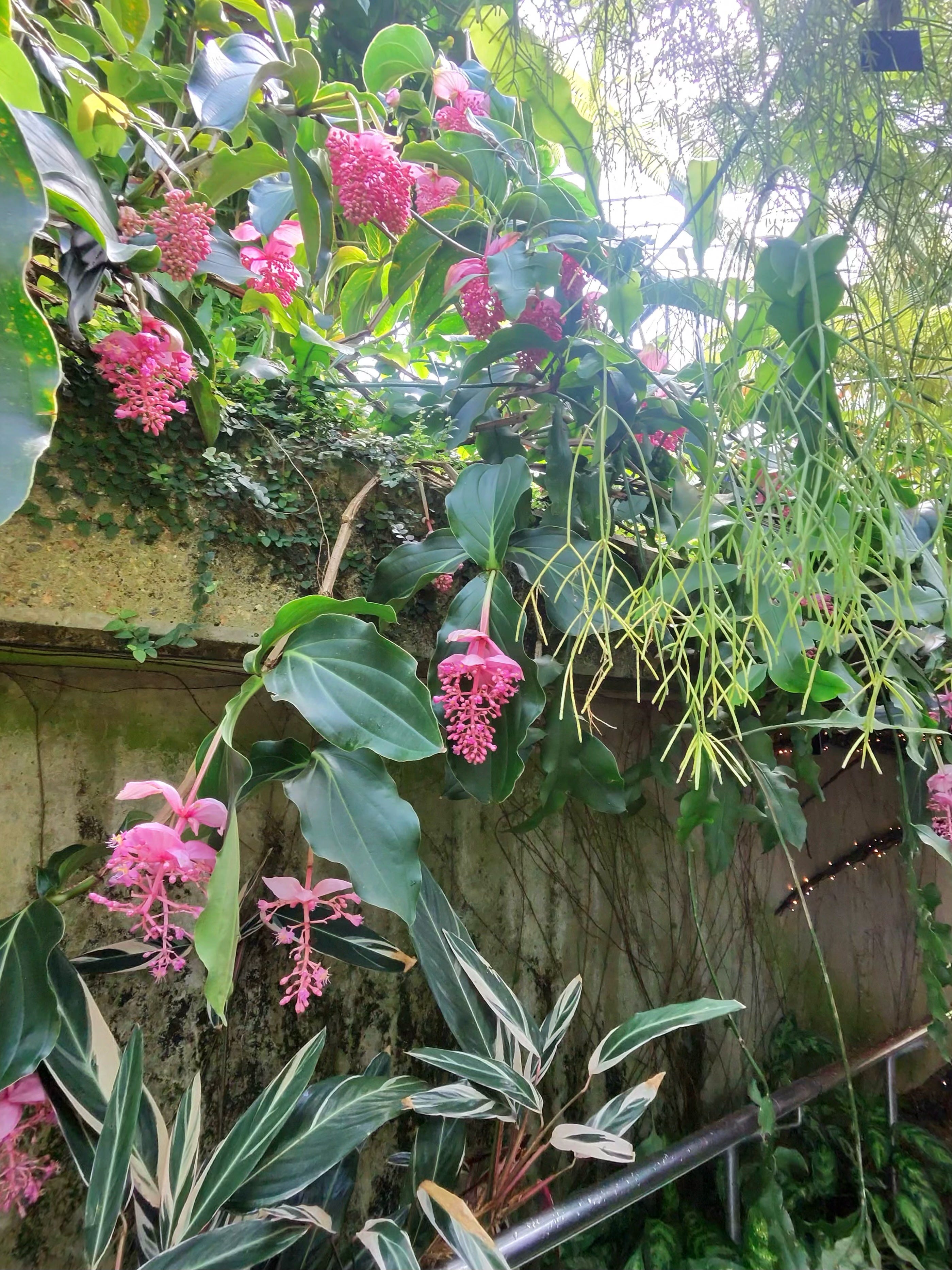
That’s the whole game. Finding the right dose.
Enough suspicion to stay safe. Enough tolerance to let something new survive.
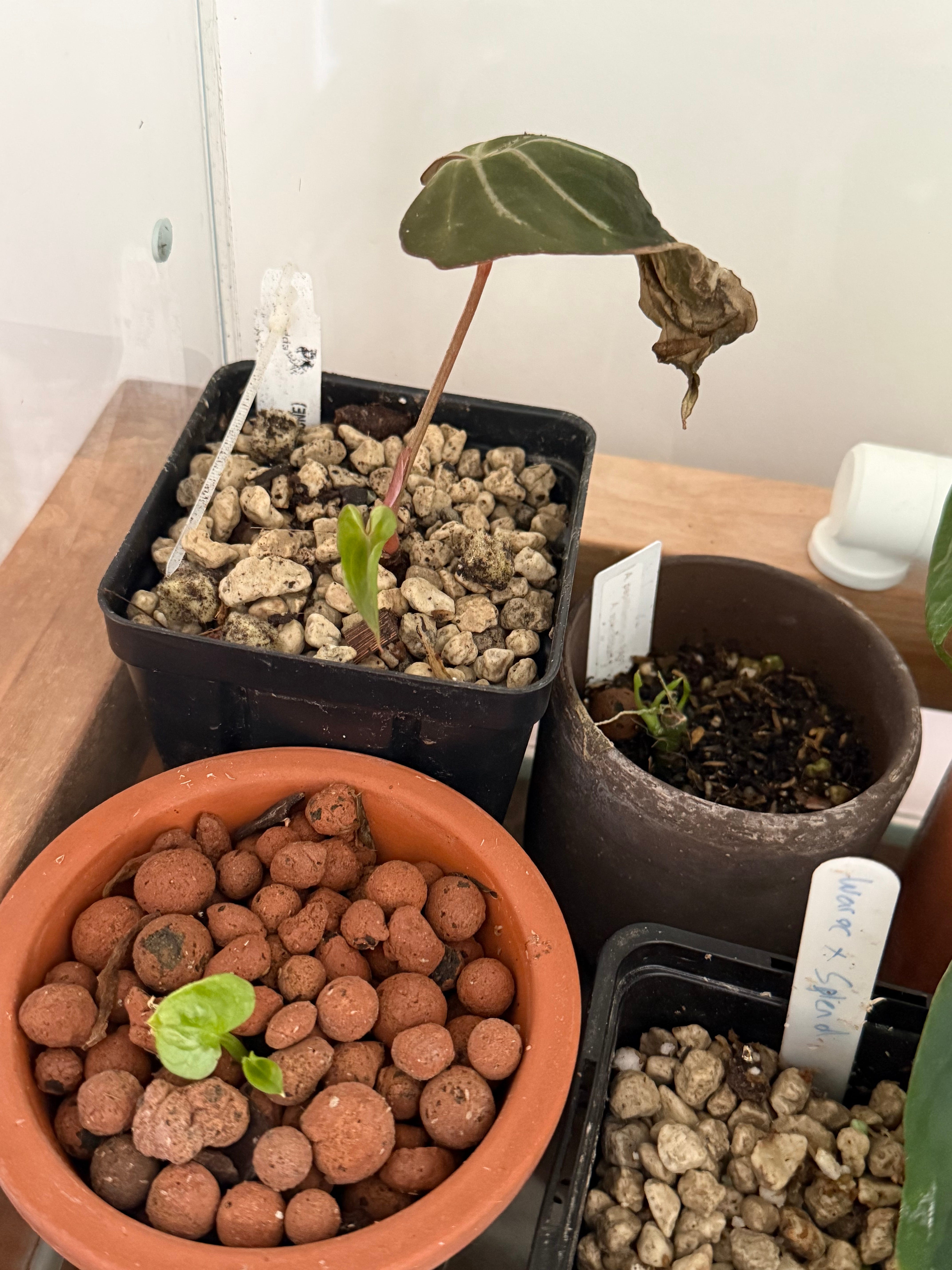
Same rules apply everywhere.
Now excuse me while I go save more plants (patients).