
Kew Gardens.
I love Kew Gardens.
I love visiting Kew Gardens.
I find every possible opportunity to go. I visit at least once a month. I kid you not.


Some people go to temples. I go to the Princess of Wales Conservatory.
I don’t go to ask for blessings. I go to check whether a leaf has unfurled or if the Arum Titan has bloomed has bloomed. This may amount to the same thing.
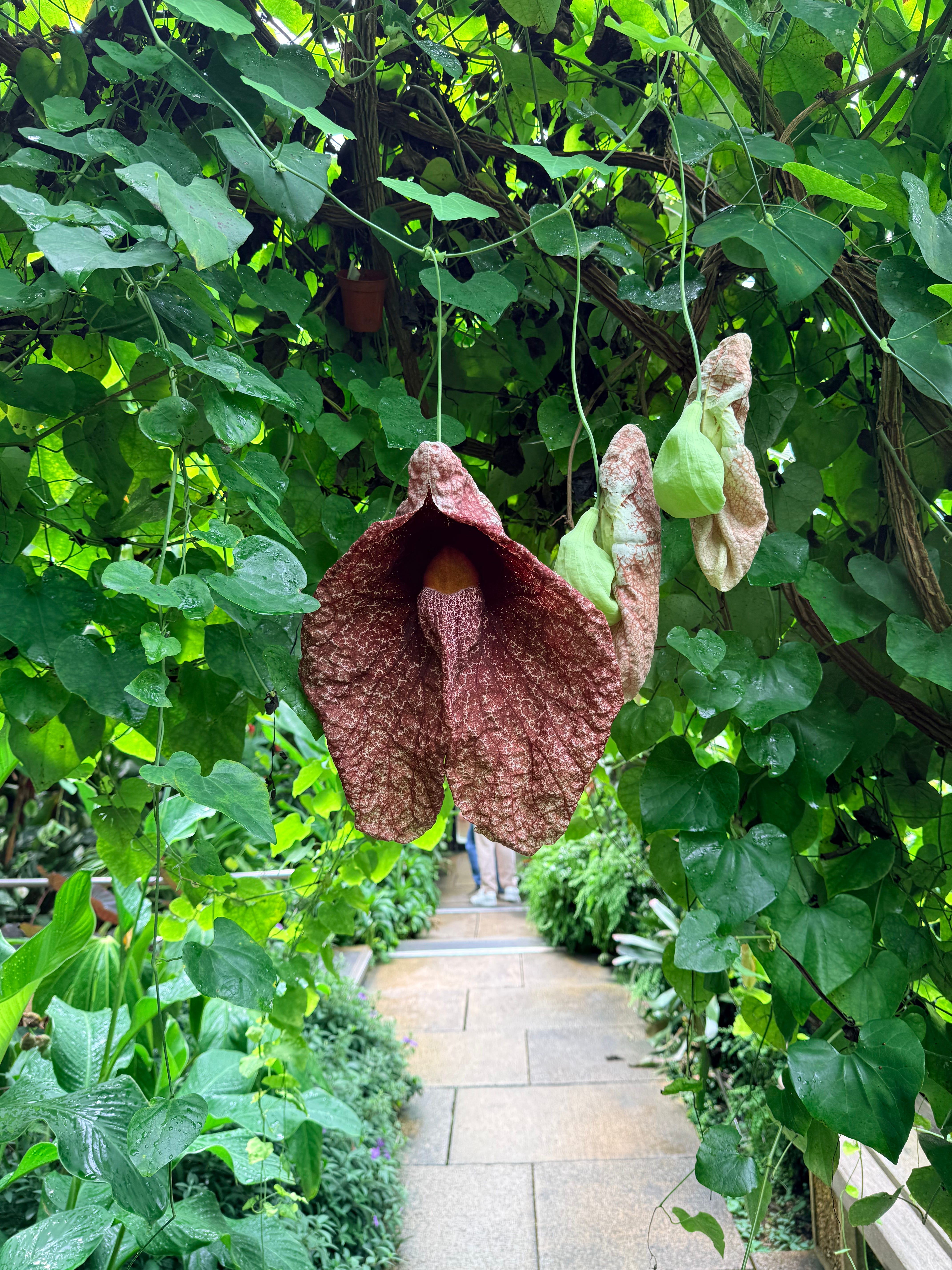
God, I am told, is everywhere. Yet people still build temples and travel to them. The point is not that the divine is trapped inside a building. The point is that human attention is unreliable.
A temple creates a boundary. You cross a threshold. Your voice drops. Your behaviour changes. The world outside remains noisy, but for a while it is kept at a useful distance.

Kew does this for me.
The moment I enter a glasshouse, the warm, wet air interrupts whatever nonsense has been running through my head. My attention moves away from myself and towards a root gripping a tree trunk, a new leaf still folded from emergence, or water collecting in the centre of a bromeliad.


Plants live at scales that make most human anxieties look badly proportioned. They don’t care whether I’ve been productive. They don’t know I failed my exam. They don’t nag me about my failed relationships. A leaf can take weeks to unfurl and still consider the exercise worthwhile.
At Kew, I am not particularly important. This is a relief.

I have rituals there. I revisit the same plants. I inspect what has flowered, what has grown and what the horticulturists have quietly moved without consulting me. I stand before certain specimens as other people might stand before saints.
I am not claiming enlightenment. I still look at my phone. I still complain about a new Prime Minister. I occasionally judge people for walking past an extraordinary plant without giving it the respect it deserves. But the noise inside me drops.
Harmony, I have decided, is not the complete absence of noise. It is the brief agreement between a body and a place.And Kew gives me that.
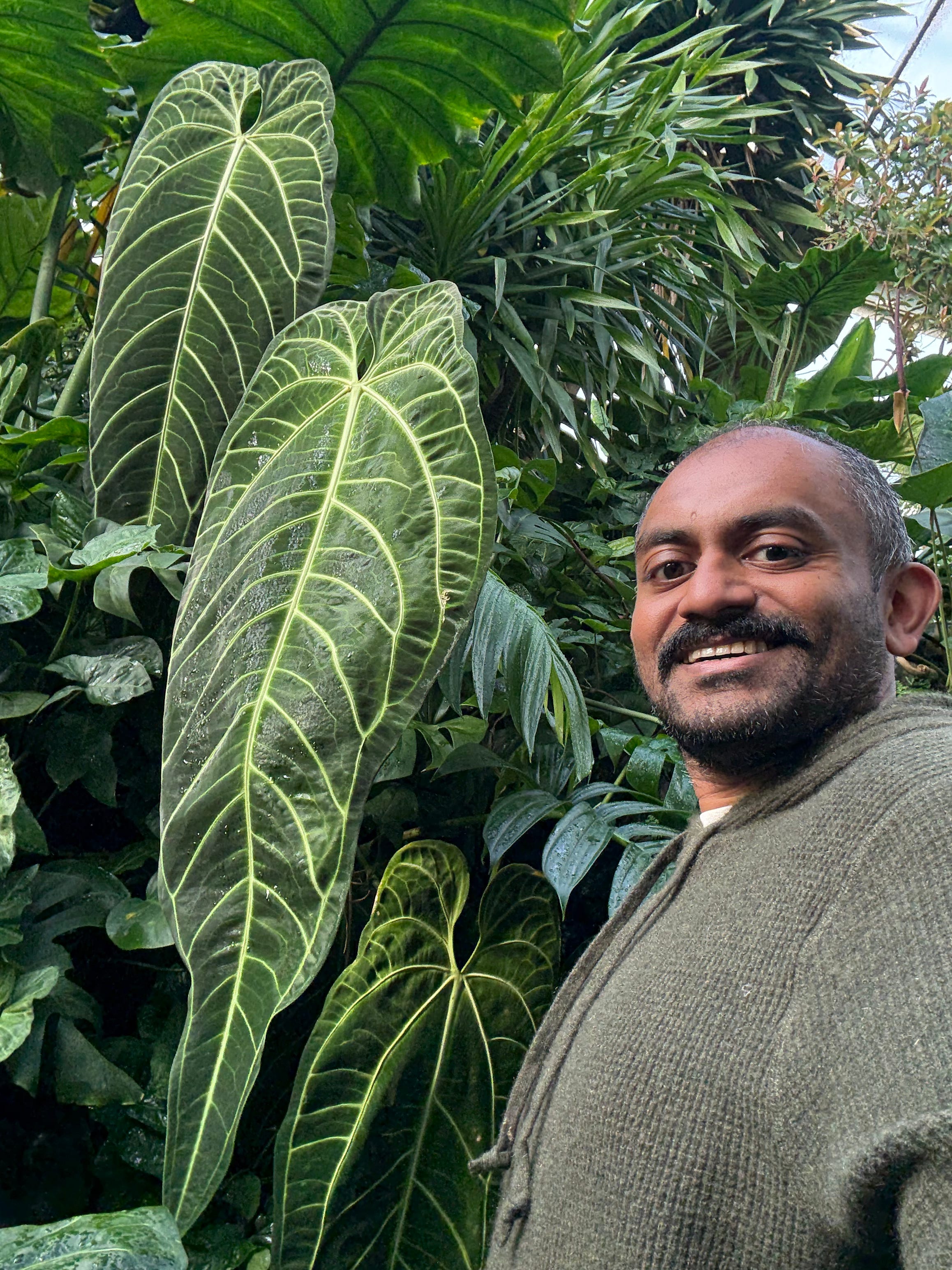
Which makes the next part slightly awkward.
I stole from my temple.
Viknes the Menace
Her name is anthurium gracile. Not particularly rare. Selling for £4 online.
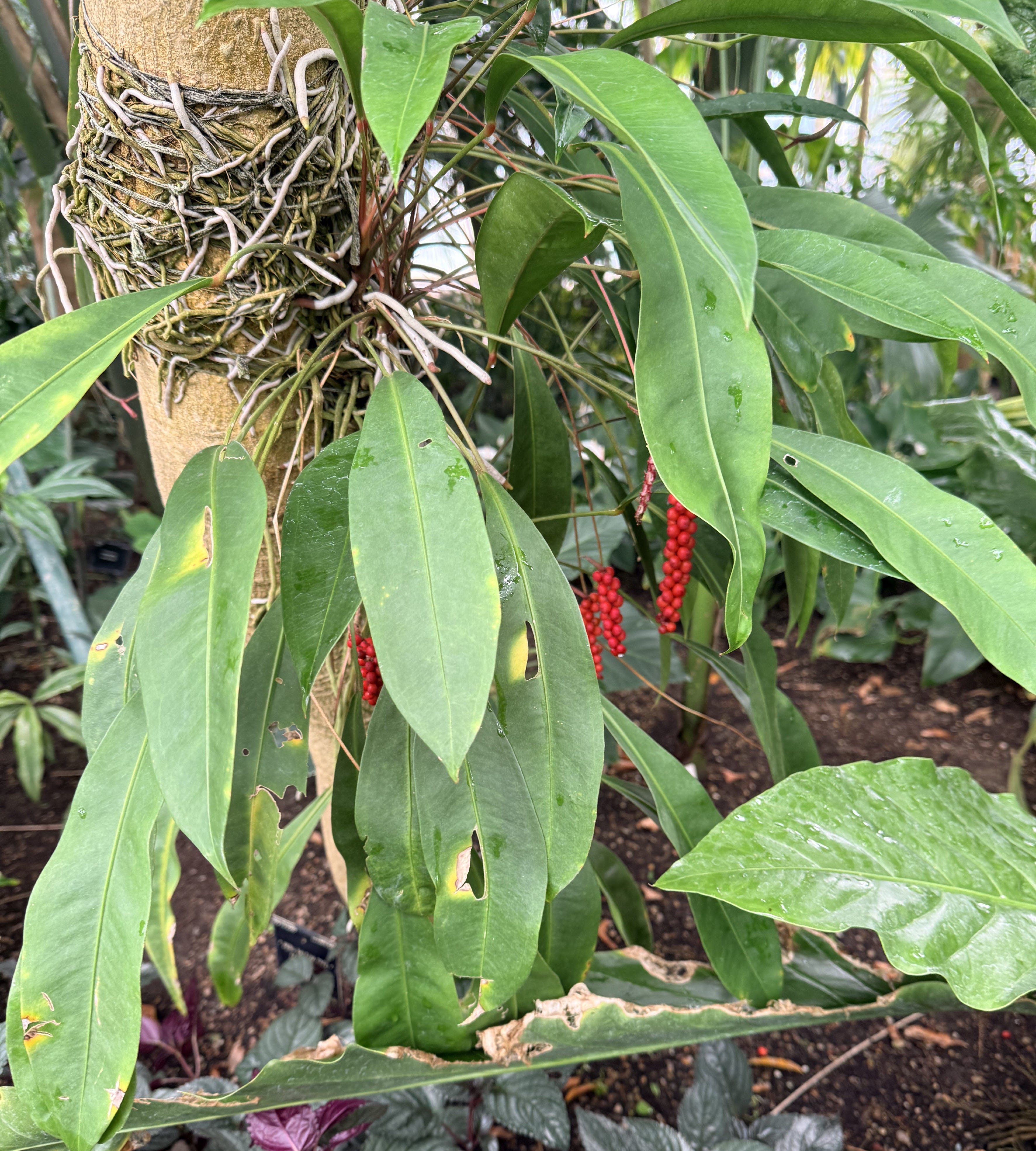
She was climbing a tree, her aerial roots gripping the surface in a dense tangle. Beneath the long green leaves hung several strings of bright red berries. She looked indecently fertile. She’s the sort of plant that gets pregnant every other week.
The berries were right there.
Staring at me.
Bright red.
Temptations.
So I gave them a little rustle. A few fell to the ground. A few fell to my pocket.
The chain of custody is embarrassingly straightforward.
Did I feel guilty at the time? No.
Did I know it was wrong? Yes.
Is it good to steal? No.
Is pickpocketing wrong? Yes.
Am I educated? Unfortunately.
Did I get a thrill from doing it? Hells to the yeah.
Am I uncouth? The evidence is accumulating.
Will I do it again? Most probably.*
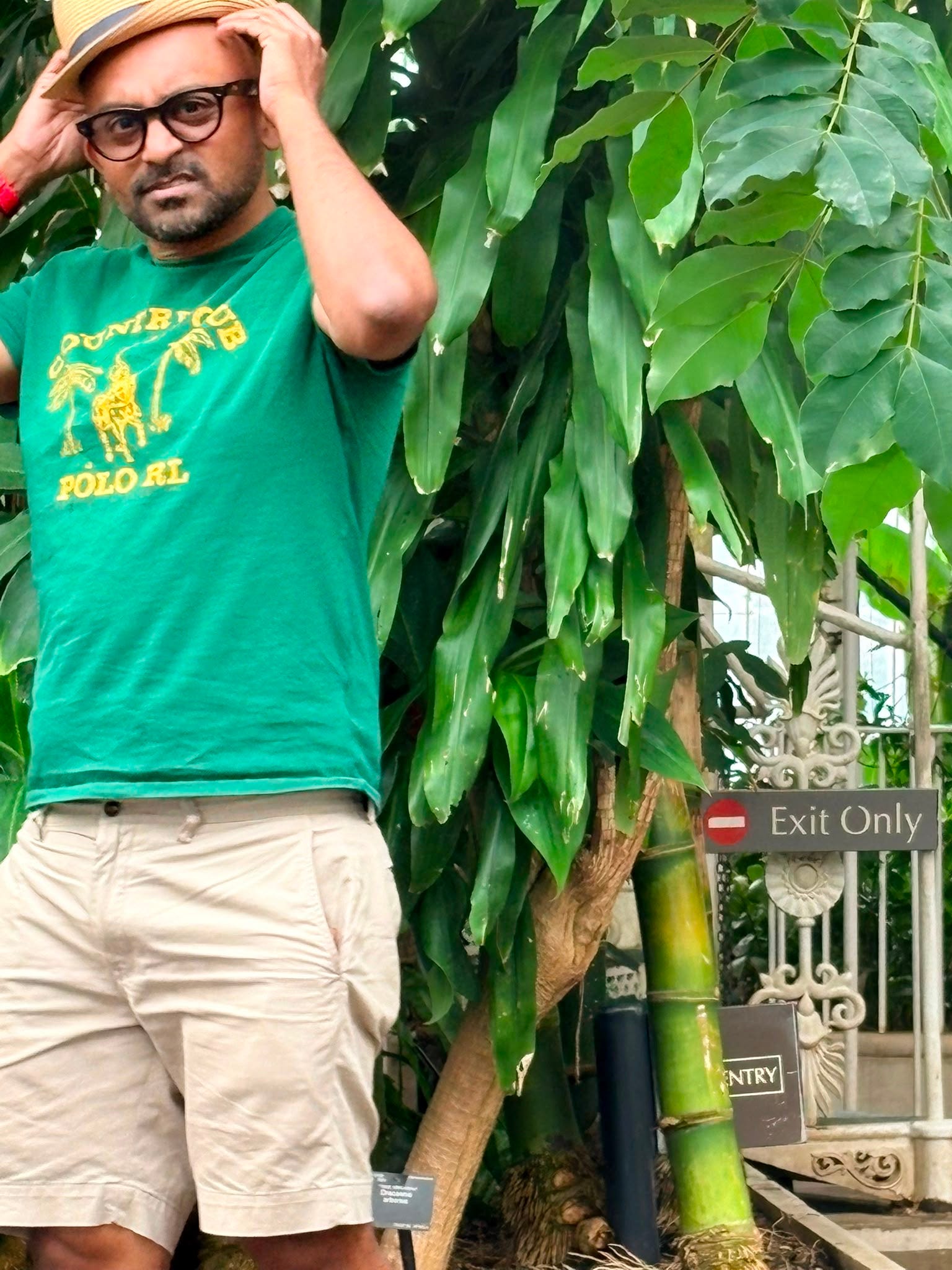
Kew’s visitor rules leave very little room for creative interpretation. Visitors must not remove plants. Kew also makes the point painfully specific elsewhere. People may think that taking a cutting or seed is harmless, but Kew still regards it as theft.
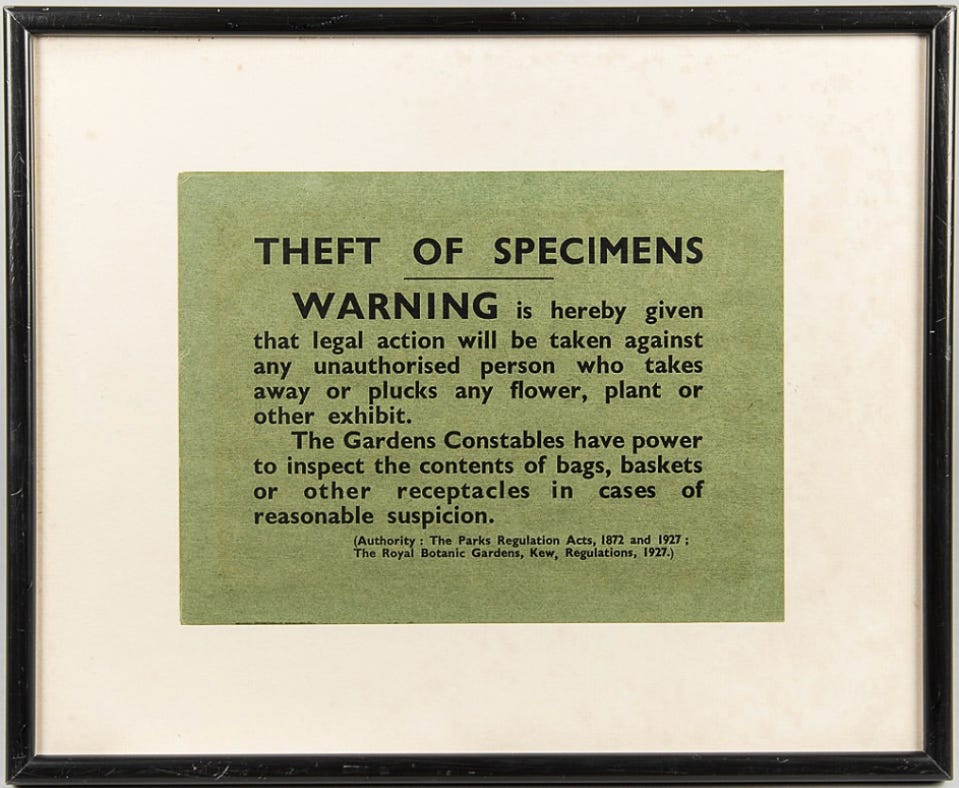
So this was not one of those offences invented by my conscience several hours later.
I knew.
Before you condemn me, answer one question honestly. Have you never slipped a cutting into your bag? Never “rescued” a succulent leaf from the floor of IKEA? Never pocketed a seed because “it would have fallen anyway”?
If the answer is no, congratulations. You’re a better person than I am.
Still, the ethical position here is not particularly complicated.
The plant appeared healthy. It had produced plenty of fruit. A few berries probably made no meaningful difference to its survival. That affects the scale of the harm.
It does not affect the question of permission.
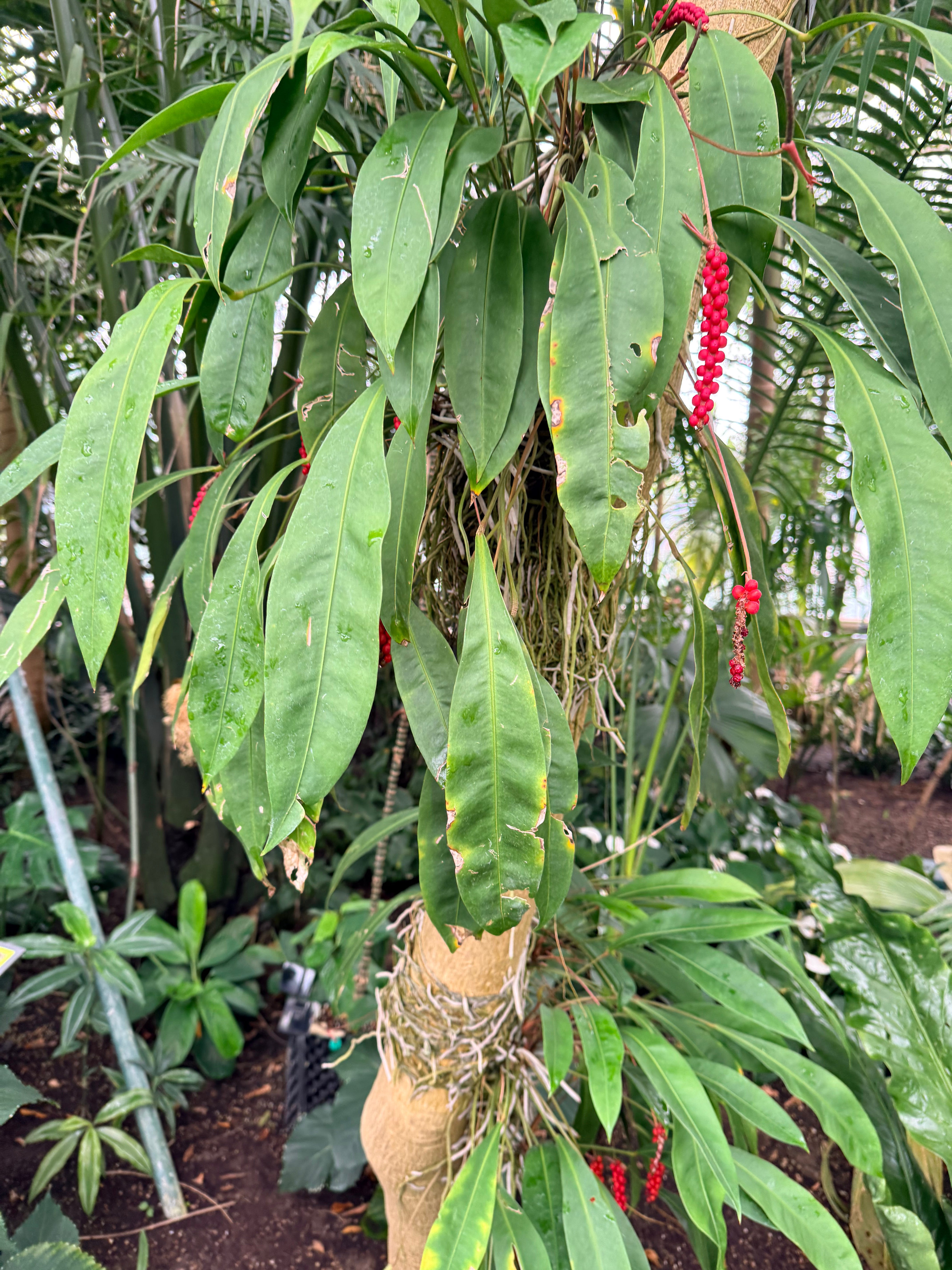
The berries were not mine.
Technically, this was not wild-plant poaching. I did not remove a threatened plant from a Colombian forest. I stole seed from a cultivated collection.
That sounds less romantic because it is more accurate.
The deeper hypocrisy is that I went to Kew to escape my appetites, then obeyed one of them.
I entered looking for peace, restraint and perspective.
I left hands stained red with seed juice.
The Defence Opens Its Case
Once the mind knows it is wrong, it does not necessarily surrender.
Sometimes it becomes a barrister.
Mine began cross-examining Kew.
Where did your plants come from?
Can you prove the sanctity of every specimen?
What exactly is the difference between a thief, a plant hunter and a botanist with institutional funding?
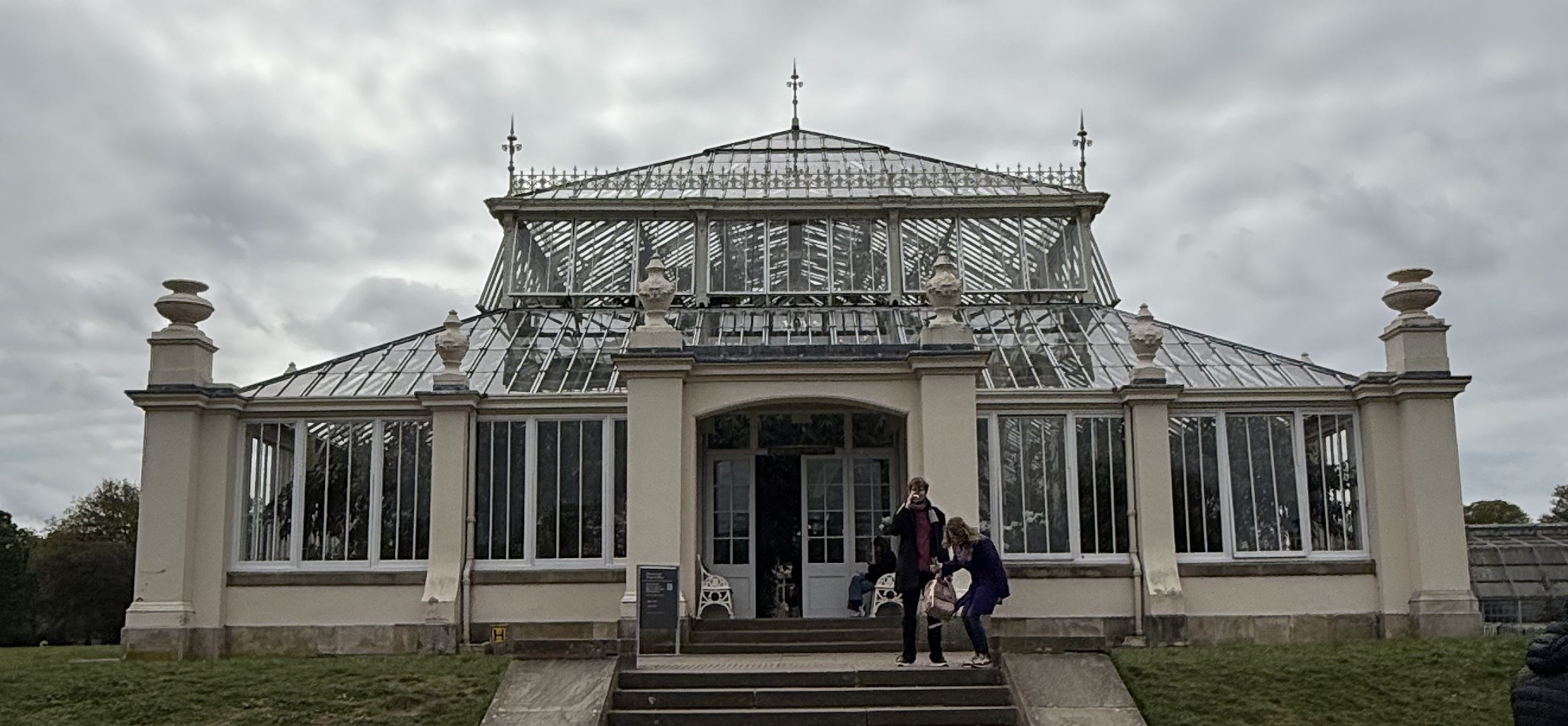
Anthurium gracile is native from Trinidad through Central America and tropical South America. It did not evolve in Richmond.


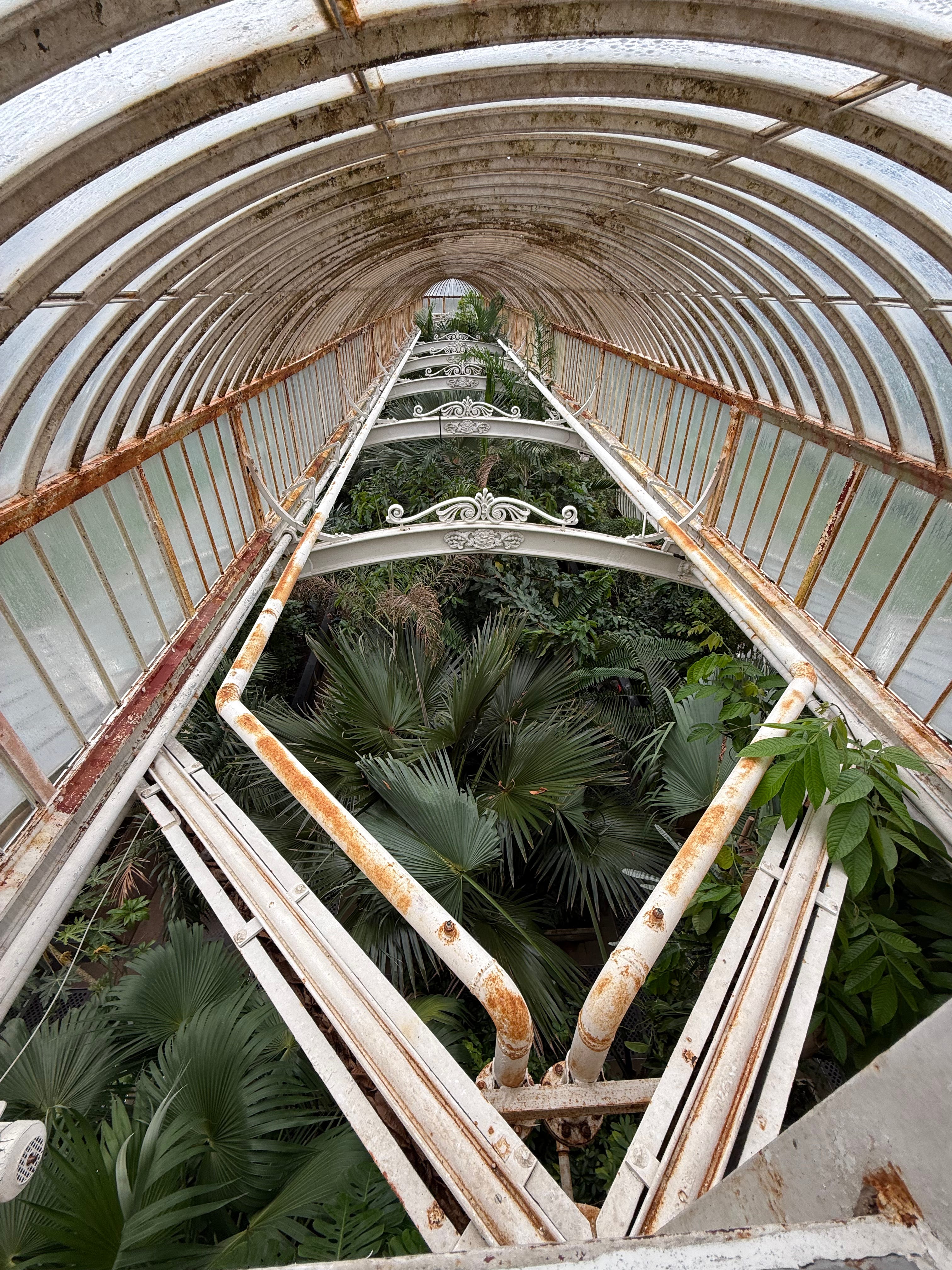
Neither did the other Anthuriums, Philodendrons, orchids and palms living beneath Kew’s Victorian iron and glass.
Every tropical glasshouse is a room full of journeys.
Plants, seeds and cuttings crossed forests, borders and oceans before becoming accession numbers, research material and objects of public wonder.
Some were purchased. Some were exchanged between gardens. Some were donated. Some were gathered during scientific expeditions. Others travelled through networks built by commerce, empire and profound imbalances of power.
Kew does not entirely conceal this. It acknowledges that its collections are deeply entangled with colonialism, trade and the imperial project. Much of its nineteenth-century work involved moving valuable plants around the British Empire for agriculture, industry and horticulture.
So, can Kew produce a spotless moral receipt for every plant accumulated across centuries?
Probably not.
No large historical botanical institution can.
But this is where my defence begins to rot.
Modern Kew is not Victorian Kew. Its current overseas fieldwork involves local partners, permits, agreed terms of use and benefit-sharing. When it collects wild material for conservation, it says it samples only what is needed and works under agreements with donor countries.
Historical wrongdoing does not create a personal seed allowance for me.
The fact that empires took plants does not mean I get to take plants from Kew. That is not an ethical argument. It's basically, "but he did it first," in adult words.
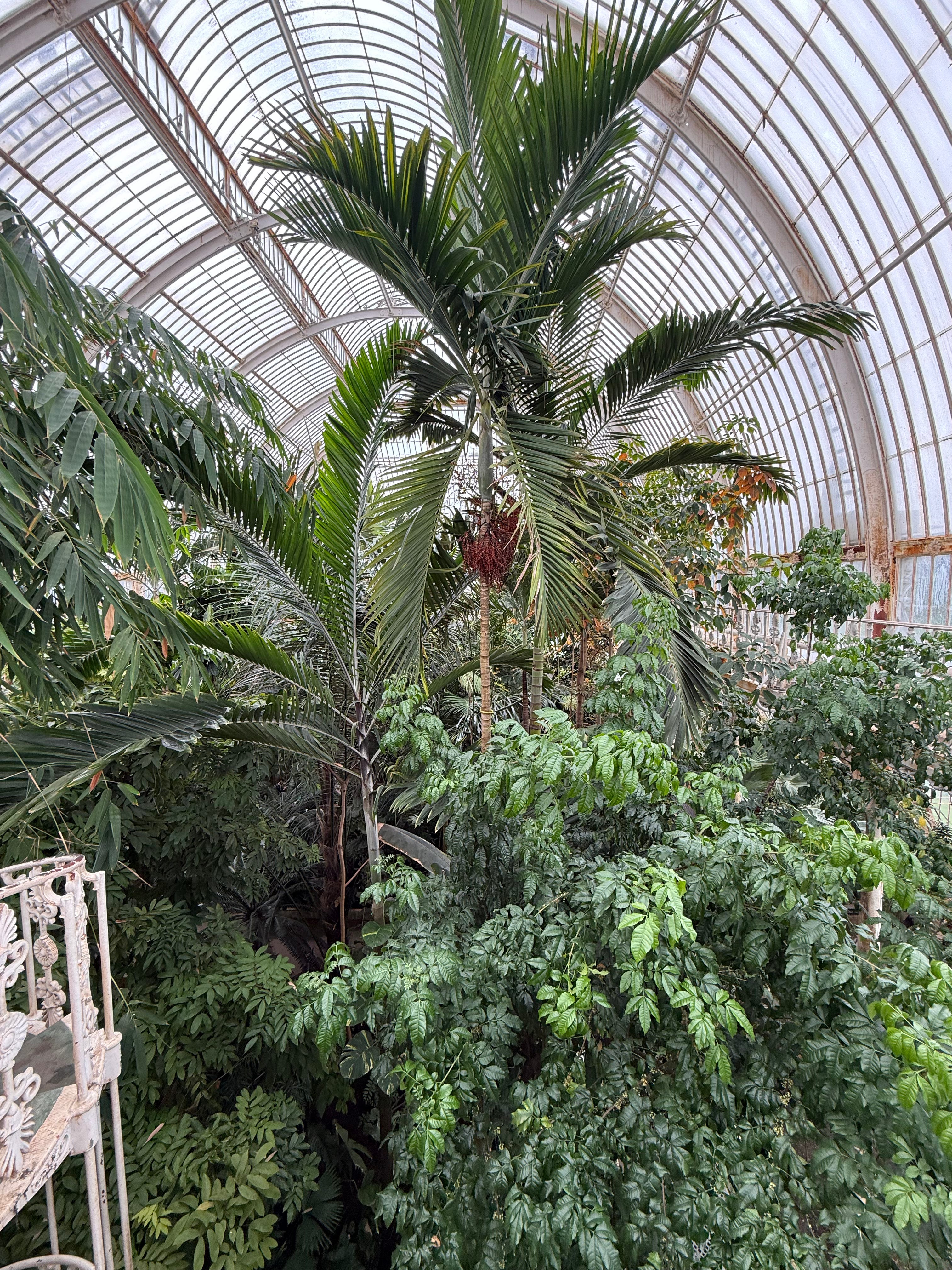
Moving economically valuable species through an empire is not morally equivalent to putting several berries in my pocket. One involved systems of political and commercial power. The other involved a man in shorts wearing meta glasses making a poor decision.
But difference in scale does not mean there is no common question.
Who had the right to decide?
That question sits beneath collecting, theft, conservation and poaching. It is often hidden by respectable nouns.
An empire acquires.
A botanic garden collects.
A nursery introduces.
A collector sources.
I pick-pocketed.
The verbs change. The plant still moves.
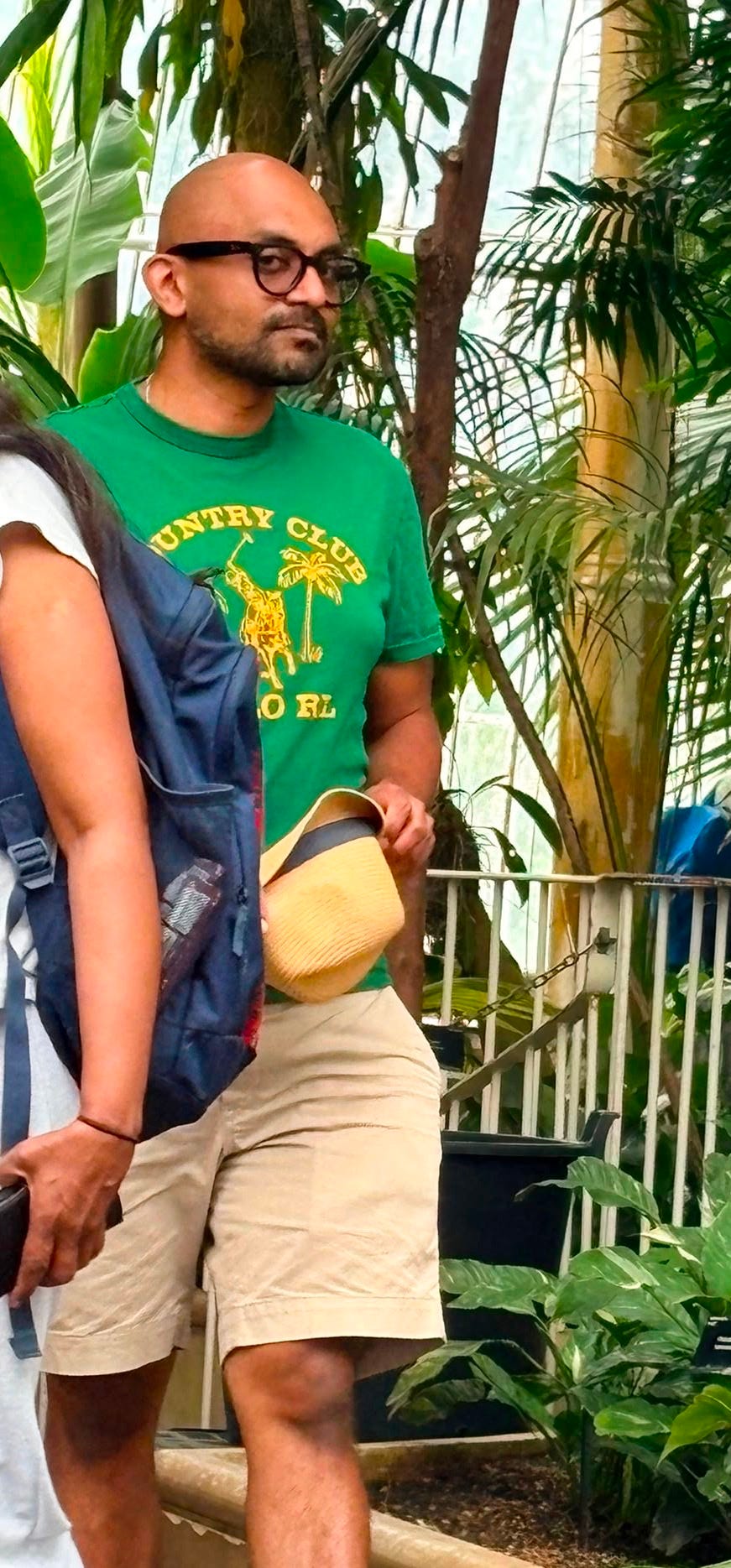
Horrid Veitchii
This question led me back to a large red book I own called Hortus Veitchii.
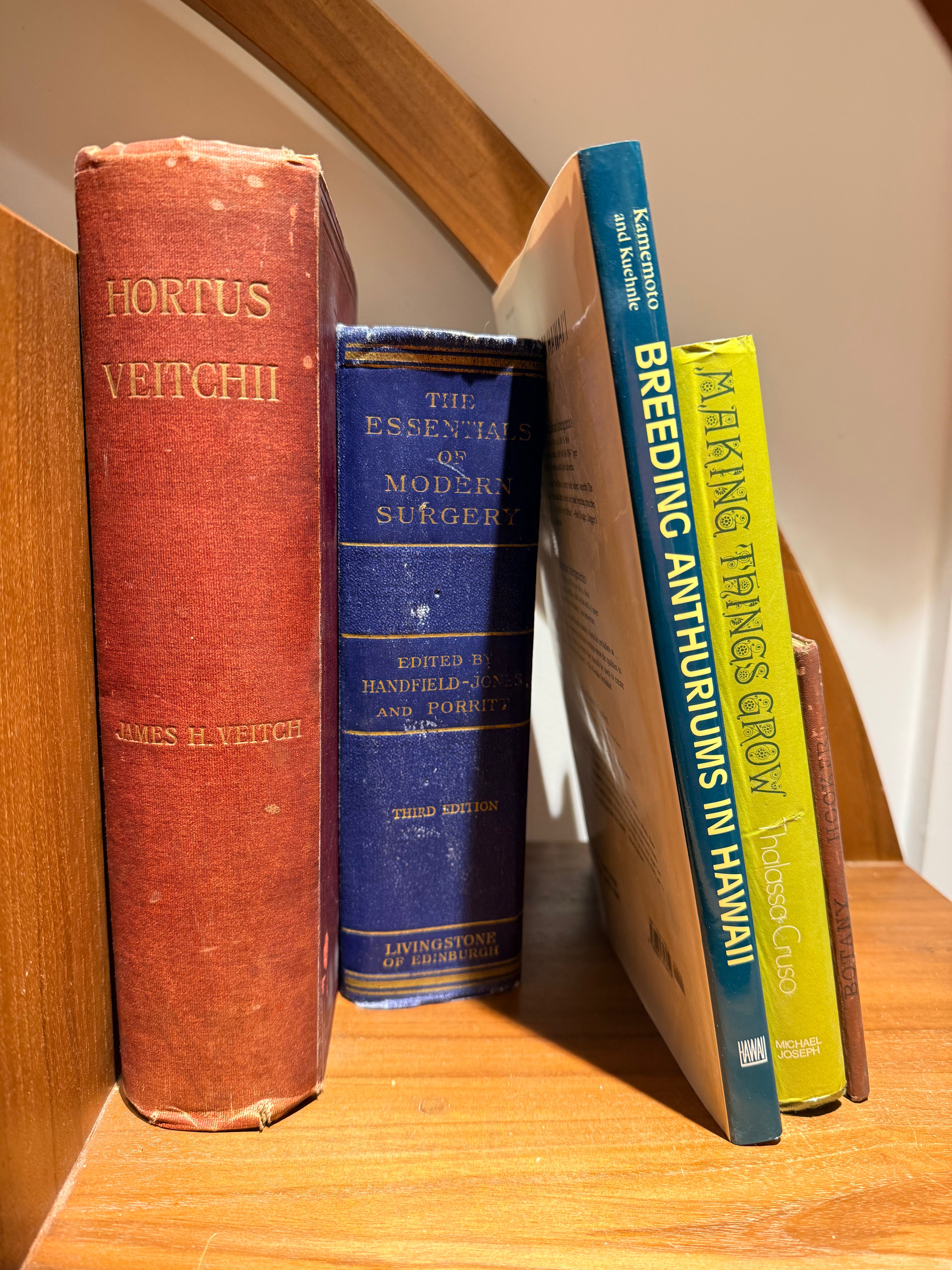
It is a history of the Veitch nursery dynasty and the plant collectors they employed. Possessing it makes me look considerably more scholarly than my recent conduct would suggest.
The book also contains an account of Anthurium veitchii.
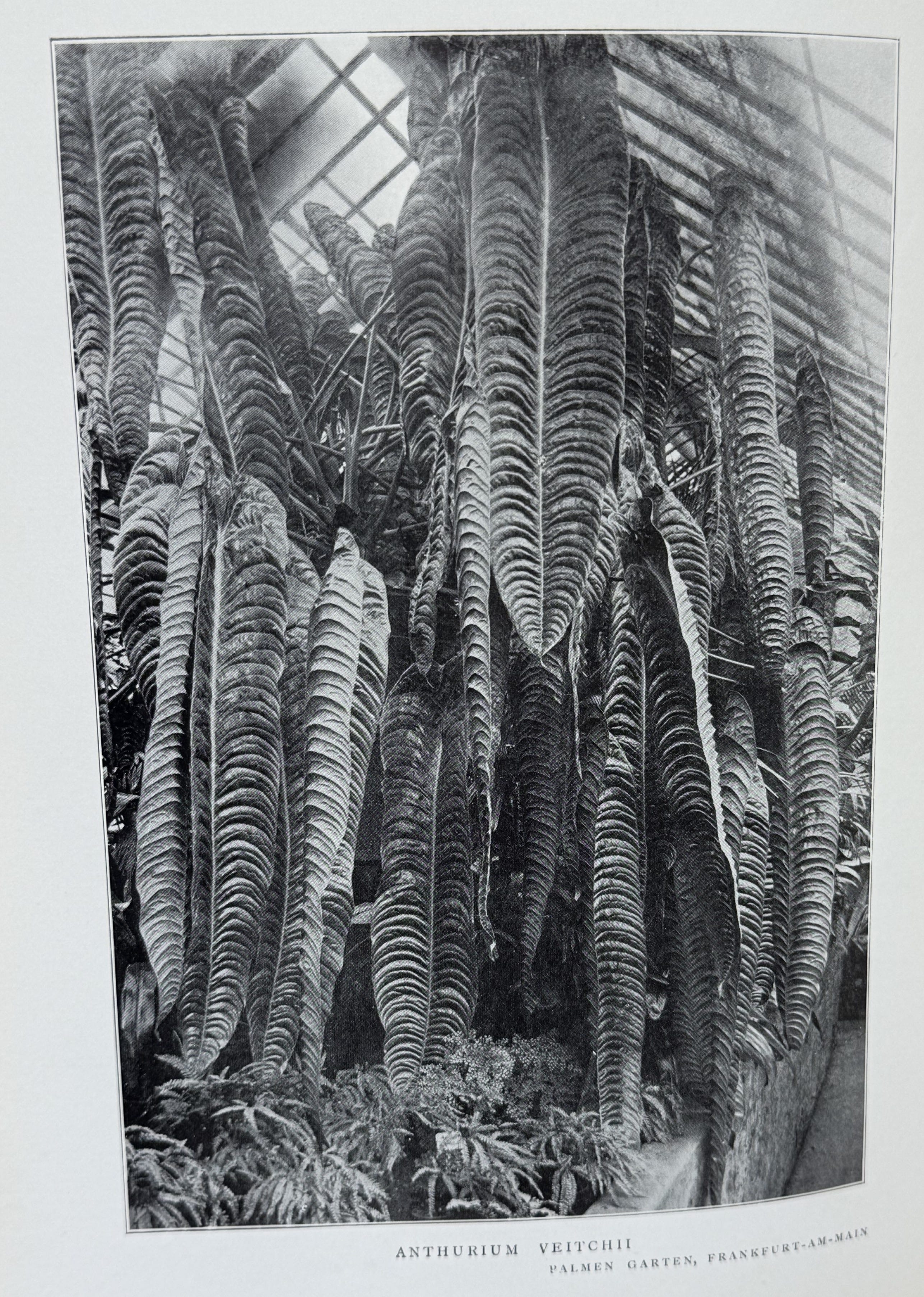
Given how many times that plant has died in my care, I prefer to call it Horrid Veitchii.


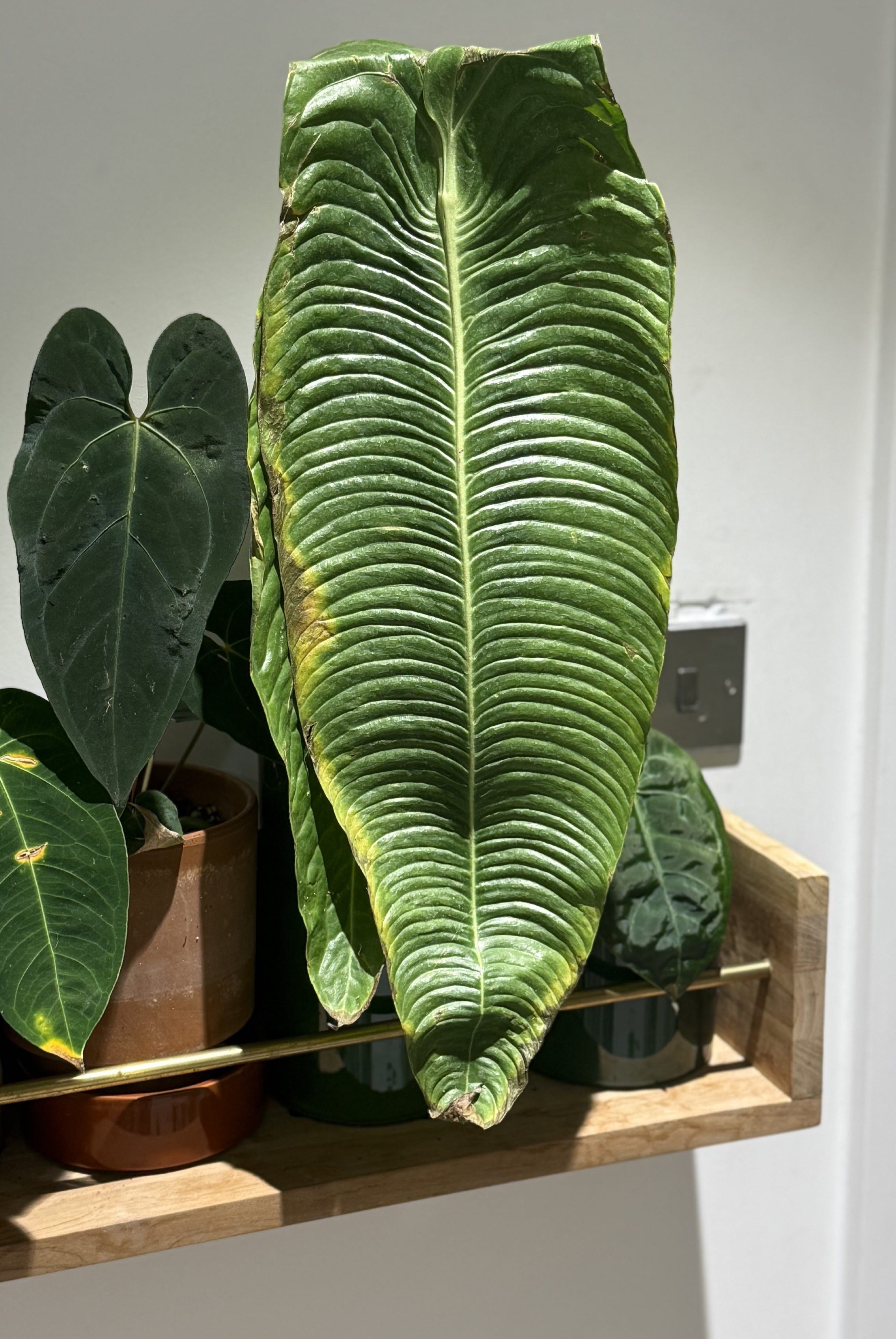
A fine specimen of Anthurium veitchii grown by my friends at GrowTropicals
Some plants fail quietly. Veitchii makes its death feel like a formal judgment on the owner. I have tried several times to grow it. Each plant responded to my hospitality by deteriorating theatrically and dying.
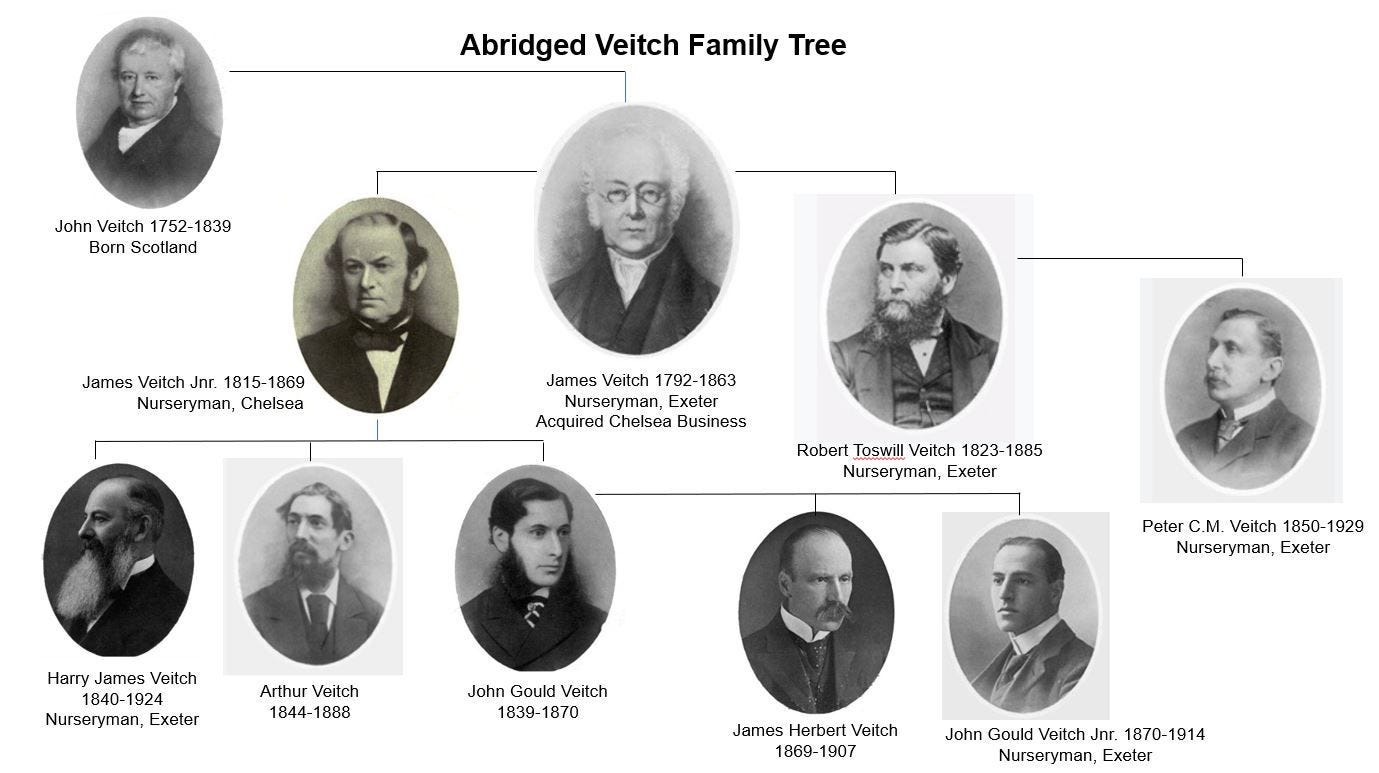
The Veitch family itself did not suffer from a shortage of Johns.
The nursery dynasty began with John Veitch, born in Scotland in 1752. Later came John Gould Veitch, the nineteenth-century plant hunter who travelled to Japan and joined the first British ascent of Mount Fuji. His son was also called John Gould Veitch, presumably because the family had not yet met its recommended daily allowance of Johns.
During my research, I found another John Veitch. This one was a Scottish philosopher, poet and historian who translated Descartes.
He was not the nursery founder or the plant-hunting John Gould Veitch. Whether the branches meet somewhere in the Scottish Borders remains possible, but I found no proven close connection.
I had accidentally confused a horticultural dynasty with a man professionally interested in doubt. I don’t know why this information is any relevant.
But more importantly, none of these Johns discovered Anthurium veitchii.
That work was done by Gustav Wallis.
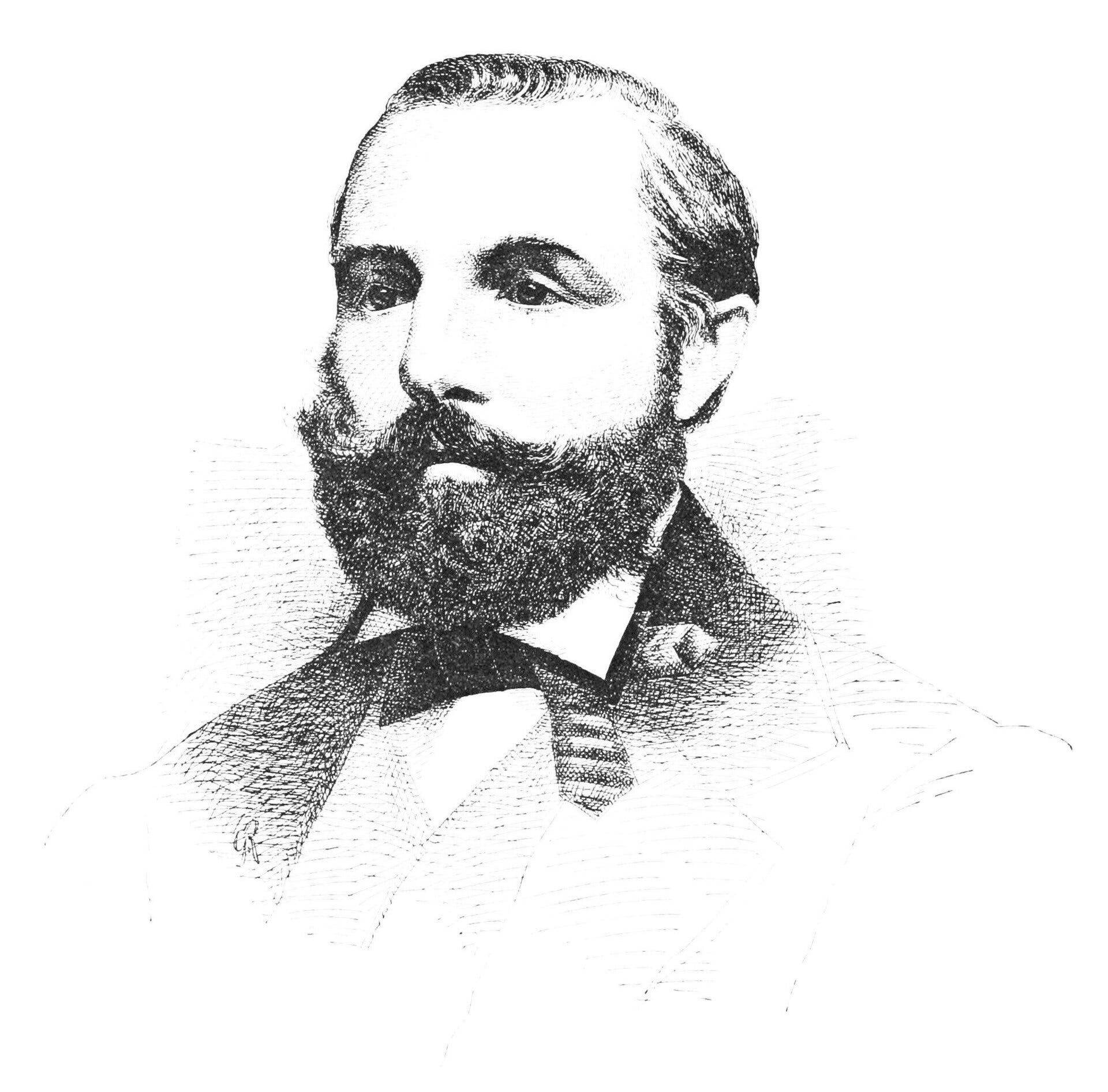
Wallis was a German plant collector who had serious hearing and speech difficulties from childhood. He entered the service of James Veitch & Sons in 1870. After an unsuccessful and expensive mission to the Philippines, the firm sent him to New Granada, in present-day Colombia, in December 1872.
He returned in 1874 with tropical plants that included Anthurium veitchii and Anthurium warocqueanum.
Wallis travelled.
Wallis searched.
Wallis collected the plant and got it back to Europe.
Veitch got the name!
The nursery supplied the money, the commercial network, the cultivation facilities and the market.
But the plant became veitchii.
That does not mean Wallis was erased. Historical accounts record his work, and botanists named several species in his honour.
One was Anthurium wallisii.


Kew still accepts A. wallisii as a species from Colombia, first formally published in 1875. It has not disappeared from taxonomy.
But the living plant has become something of a botanical cold case.
I first encountered it in Hortus Veitchii. I searched online and found very little. So I posted the historical illustration and herbarium material in the European Aroid Society group, hoping that one of the old-timers might recognise it.
A possible answer appeared.
There was a huge Anthurium at Glasgow Botanic Gardens that had been labelled or discussed as wallisii. I found photographs and briefly thought I had rediscovered the missing plant from my old book.
Then the experts arrived and ruined the romance.
Dr. Croat thought the Glasgow plant was probably not A. wallisii. David Scherberich noted that its cultivated form did not agree with either the historical illustration or the herbarium specimen. He thought it was probably closer to Anthurium decipiens.
So A. wallisii is not lost in the strict botanical sense.


The name survives. The description survives. Historical material survives.
What appears to be missing is a living plant whose identity everyone trusts.
The employer’s Anthurium became one of the most recognisable plants in modern collections.
The employee’s Anthurium became a botanical cold case.
History is written by the victor.
Fern Fever Never Left
Plant collectors sometimes behave as though our hobby is a modern discovery.
It is not.
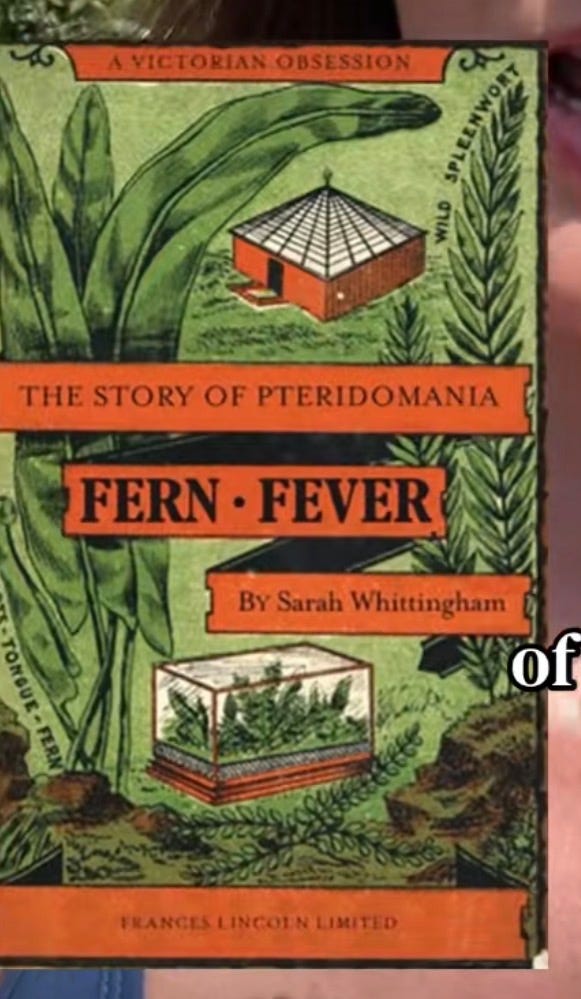
Victorian Britain experienced pteridomania, or fern fever. People collected ferns, built ferneries, kept specimens in Wardian cases and covered domestic objects with fern designs. The obsession entered clothing, ceramics, furniture and jewellery.
They had Wardian cases.
We have modified IKEA MILSBO cabinets with grow lights.
They had nursery catalogues.
We have Instagram drops.
They waited months for ships to arrive.
We throw a tantrum in the TRPS WhatsApp group when customs delays a shipment, then threaten Jazzmin for her soul.
The technology has changed.
The fever has not.
Is plant collecting novel? NO.
Is it noble? Sometimes.
Is it Nobel? Almost never.
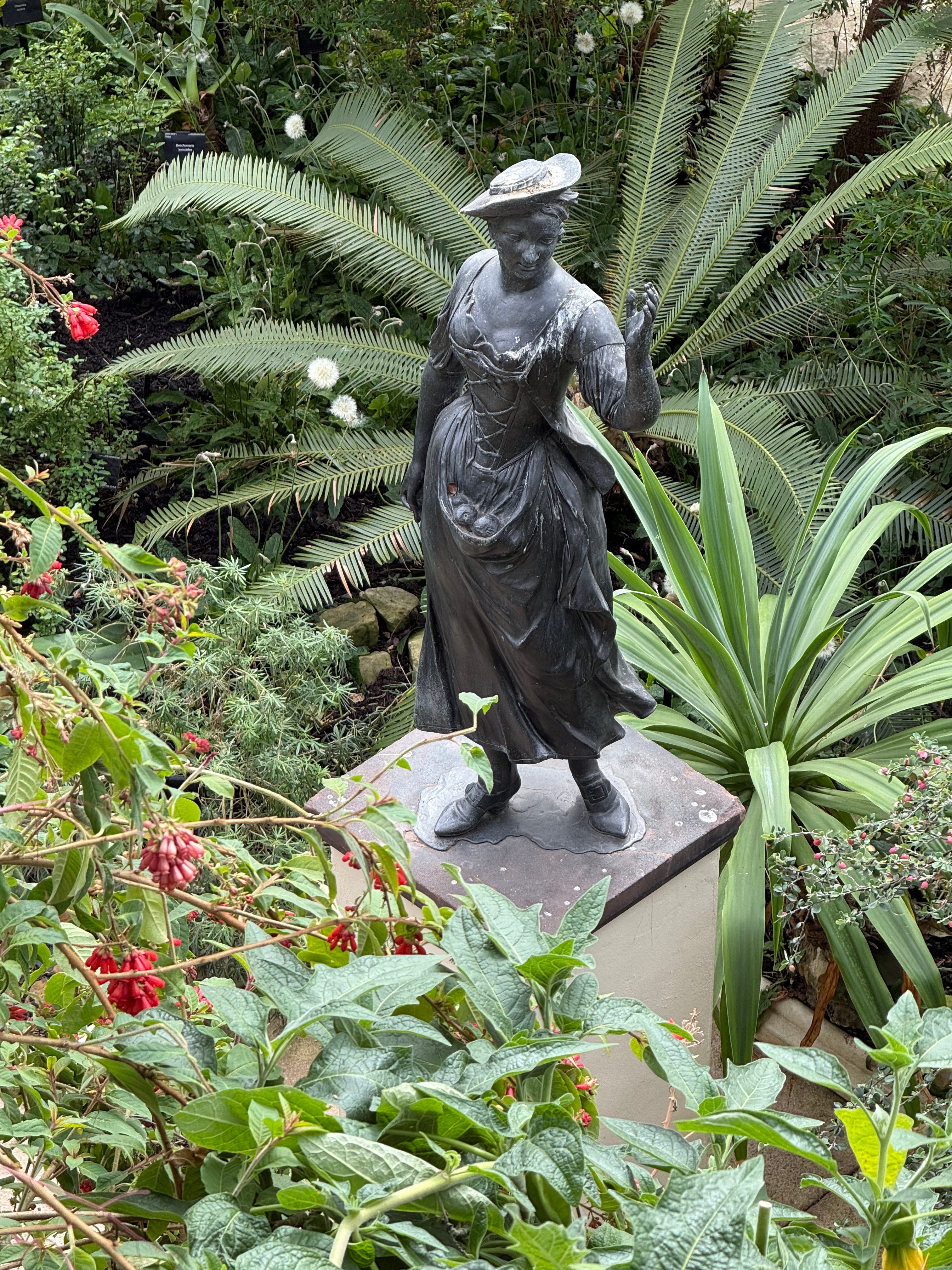
Collectors like to imagine that our passion is unusually refined. We learn scientific names. We discuss substrates, humidity, airflow and provenance. We present our collections as evidence of patience, knowledge and superior taste.
Sometimes they are.
Sometimes we simply want something because somebody else cannot have it.
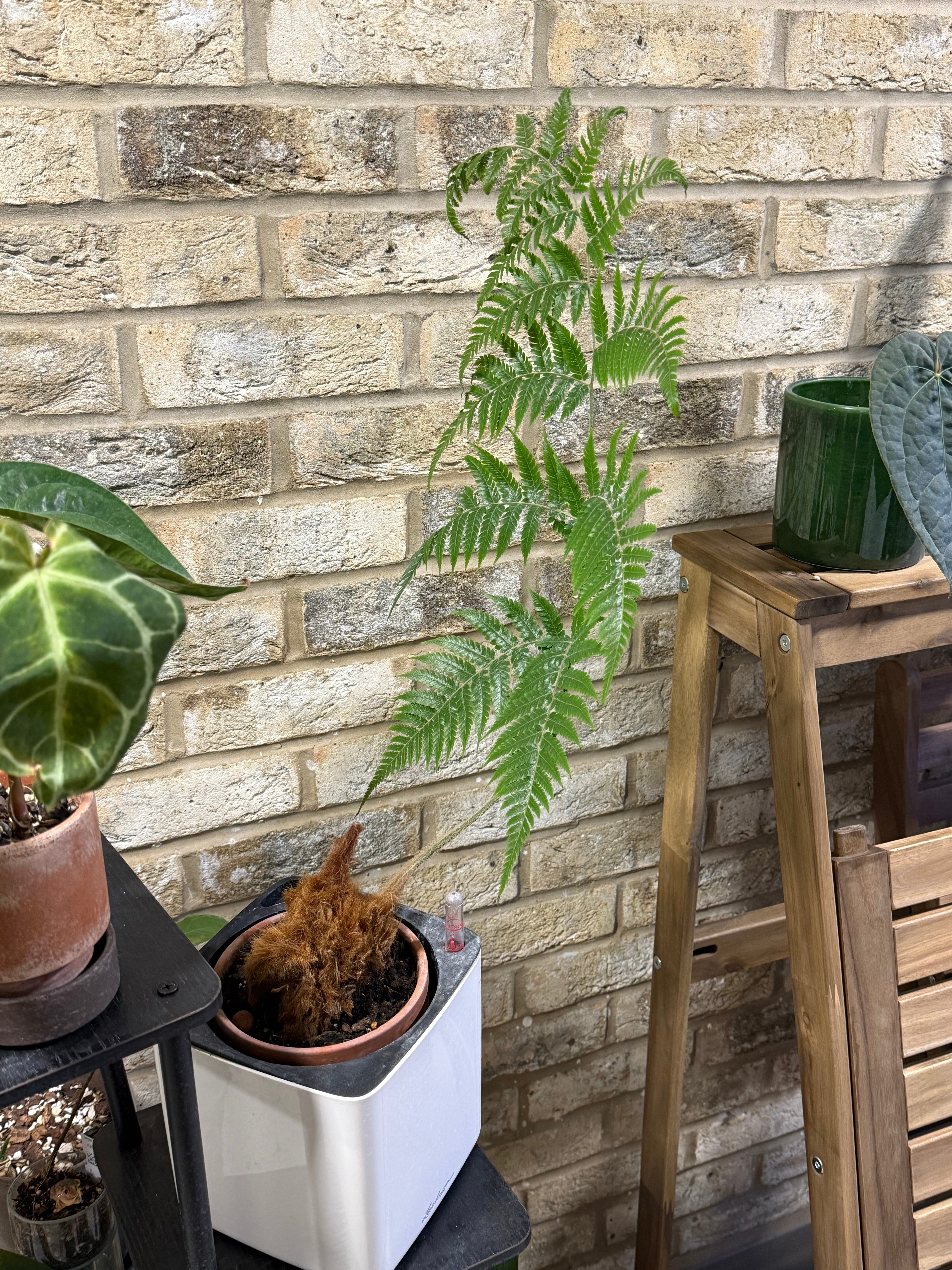
Rarity turns a plant into more than a living organism. It becomes a statement about its owner.
The plant says that we had the money, knowledge, connections or speed required to obtain it. It confers access. It offers membership in a small club.
Once desire is dressed in enough botanical vocabulary, it begins to resemble virtue.
The collector is no longer buying.
He is preserving.
He is not hoarding.
He is curating.
He did not want the plant because it was fashionable.
He recognised its conservation value.
Every collector writes a noble label for his own appetite.
When Does Collecting Become Poaching?
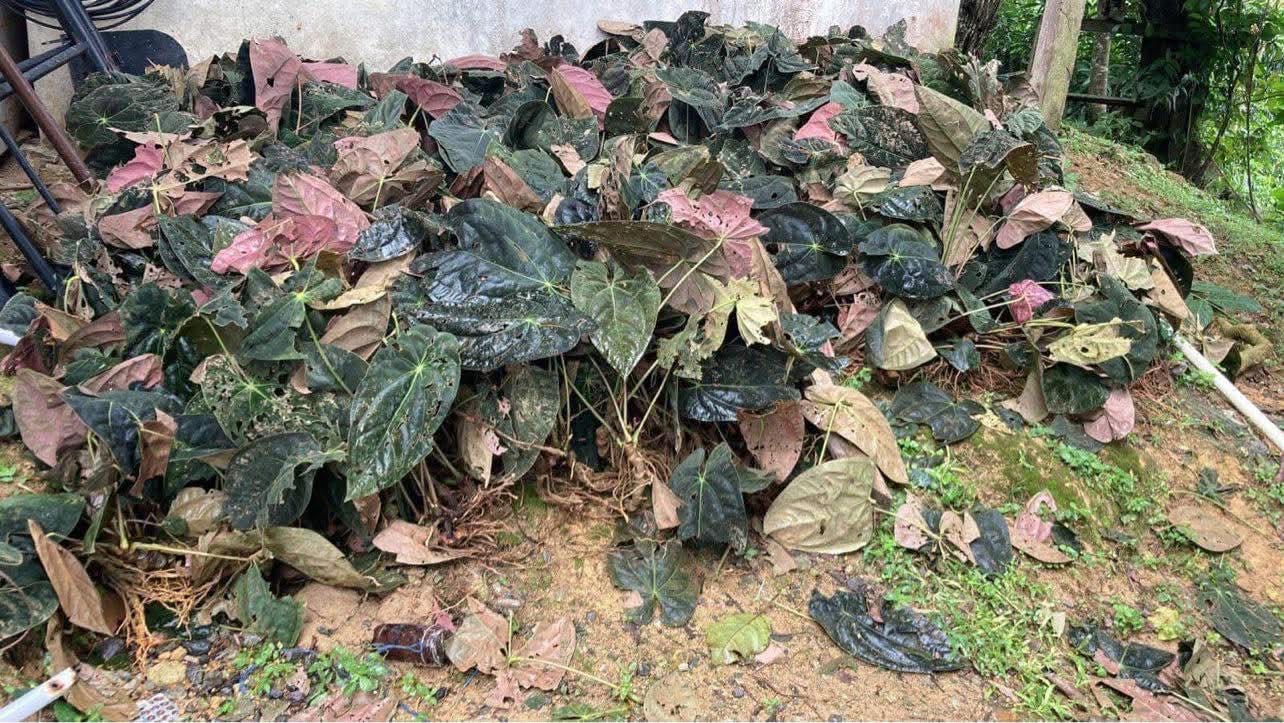
When is taking a plant from the wild valid, and when is it poaching?
The line is not whether the person loves plants.
Poachers often love plants. They may know more about them than the people prosecuting them.
The useful tests are permission, provenance, impact, purpose and power.
Was collection authorised by the country and the landowner?
Is there a clear record of where the material came from?
Was only a small and sustainable sample taken?
Will the source population survive?
Who benefits from the research, propagation or sale?
Were local institutions and communities involved, or did an outsider simply arrive, remove something valuable and leave?
Wild collection can support taxonomy, seed banking, research and conservation. It can be necessary. A plant cannot be studied or protected if nobody knows that it exists.
But the words “research” and “conservation” are not magic spells.
They do not automatically purify an act of removal.
Nor does legality settle the moral question. Colonial extraction was often legal under rules written by the extracting power.
Ecology asks what damage was done.
Ethics asks who had the right to decide.
The two questions overlap, but they are not identical.
Then there is money.
How can a nursery sell a rare plant at a madly inflated price and remain respectable?
Sometimes the price reflects real costs. Rare plants may take years to propagate. They occupy heated space. They require labour, quarantine, specialist care and repeated losses.
Sometimes the price reflects nothing more elevated than hype.
A legally propagated plant can be expensive.
A stolen plant can be cheap.
Price alone proves very little.
But high prices create incentives. When a plant becomes valuable enough, somebody eventually looks at a wild population and sees inventory.
That is where provenance matters.
Collectors love discussing provenance until provenance threatens the purchase.
Then suddenly everyone becomes comfortable with mystery.
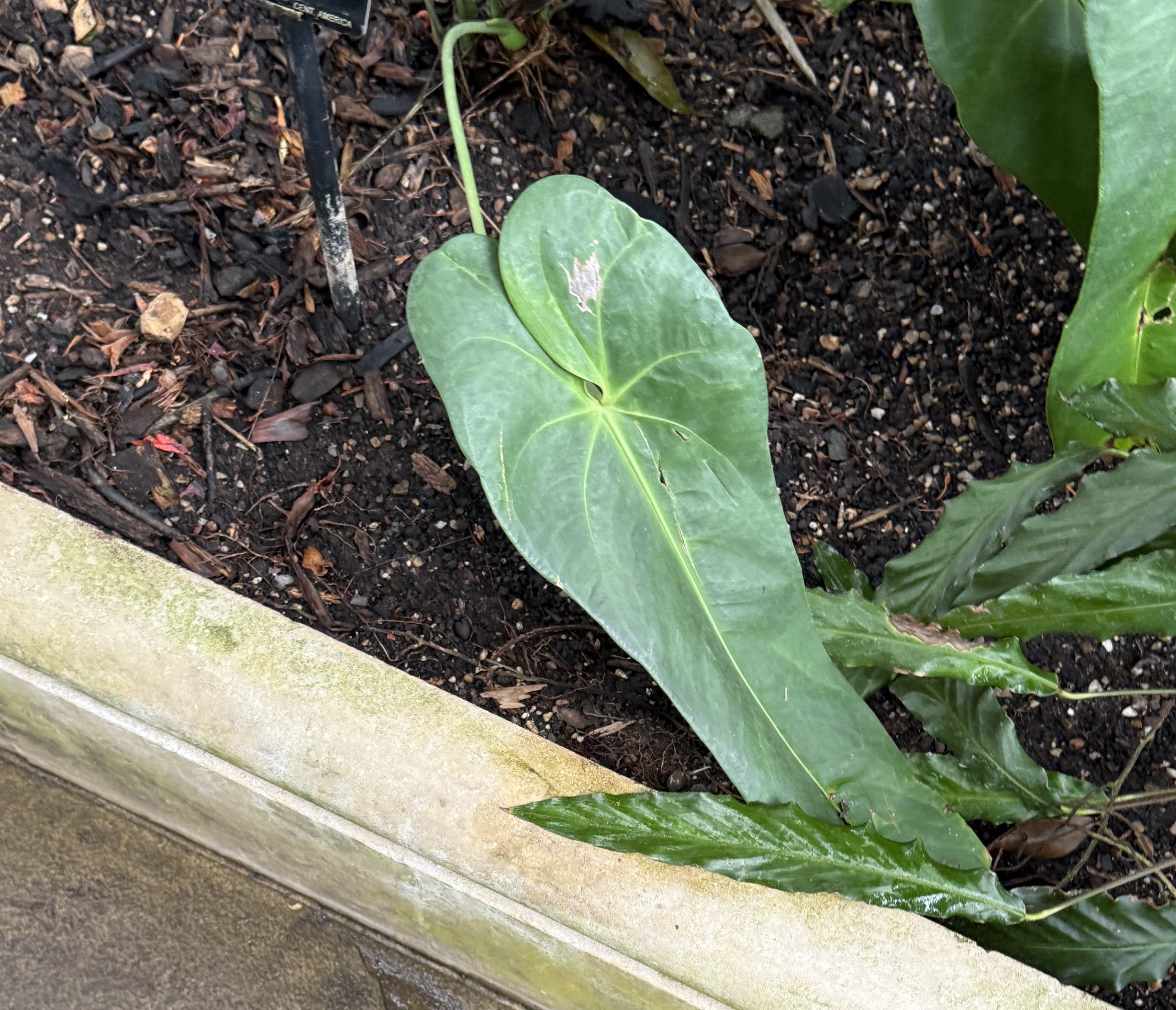
The Verdict
So why am I the bad guy in my own story?
Because I took something that did not belong to me.
The history of botanical extraction does not cancel that fact. Kew’s past does not move moral ownership of its present collection into my pocket.
I was not conducting research.
I was not rescuing a threatened population.
I was not collecting under a permit.
I wanted the berries, and I enjoyed taking them.
That is the entire case for the prosecution.
The case for the defence is considerably weaker.
The plant was fertile.
The berries were abundant.
They might have fallen anyway.
I would appreciate the seedlings.
I might preserve a genetic line.
They would have a loving home.
And stealing would make a much better punchline for my essay (inconveniently.
This is the language desire uses when it wants to sound responsible.
Perhaps one of the seeds will germinate.
Perhaps it will grow into a small piece of Kew living in my flat.
I could label it:
Anthurium gracile
Accession number: VIK-001
Provenance: morally fecked
This is a screenshot of a conversation with my friend, Jack.
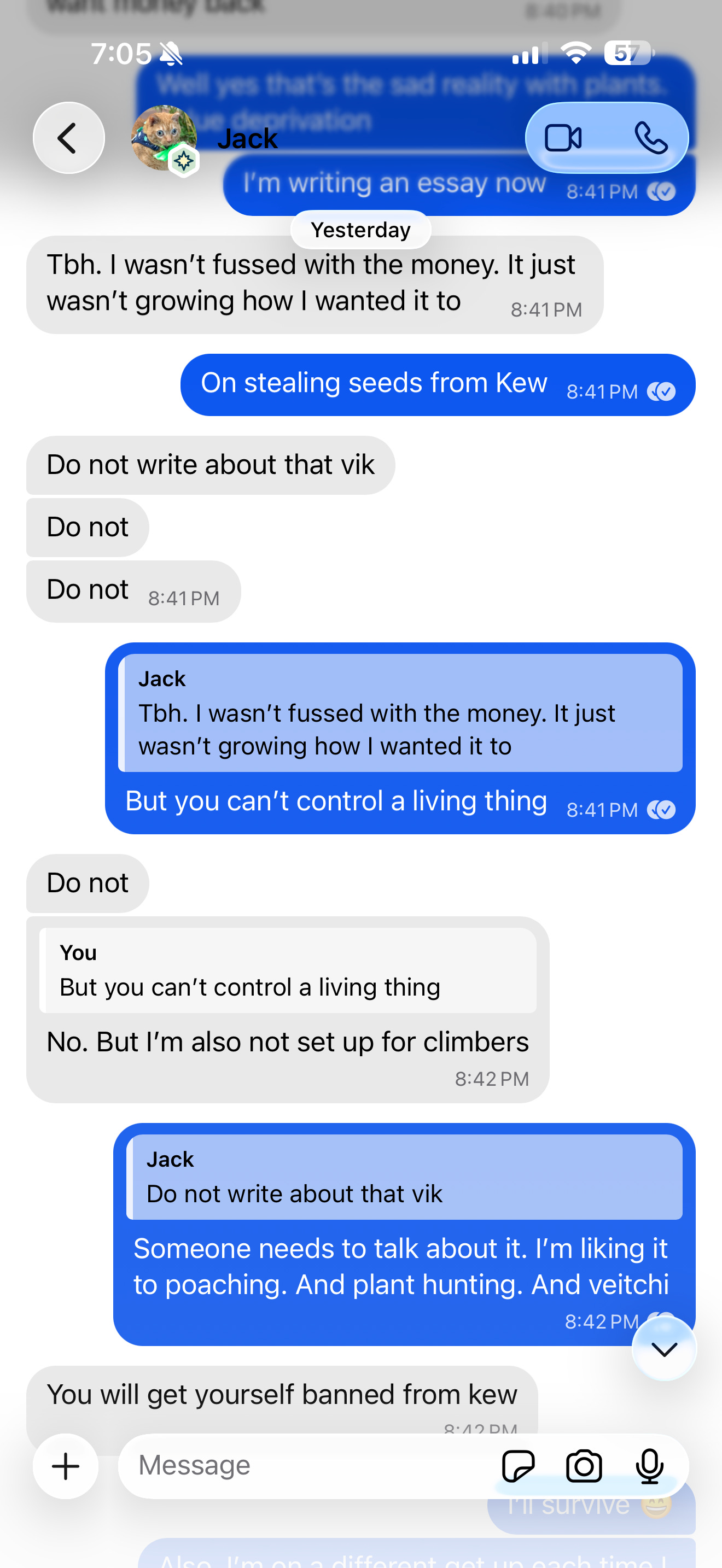
Jack is a wise man. I am not.
I might be alittle too late to retract now.
I still regard Kew as my temple.
Perhaps temples are not places where devotees prove their purity. Perhaps they are places where we discover what we worship.
I appear to worship plants, knowledge, beauty and, occasionally, acquisition.
Kew gives me peace because it makes me feel small within a vast living world.
Then I spoil the lesson by trying to put part of that world in my pocket.
If this essay disappears suddenly, you’ll know the Plant Police got to me.
Please don’t ban me, Kew Gardens.